Used Car Inspection Checklist: 15 Points Before You Pay
Buying a used car is an exercise in evidence. The seller controls the advert, the lighting and the story, so your job is to look past all three. A proper inspection takes less than an hour and can reveal problems worth hundreds or thousands. It will not make you a mechanic, but it will tell you when to walk away and when to call a professional.
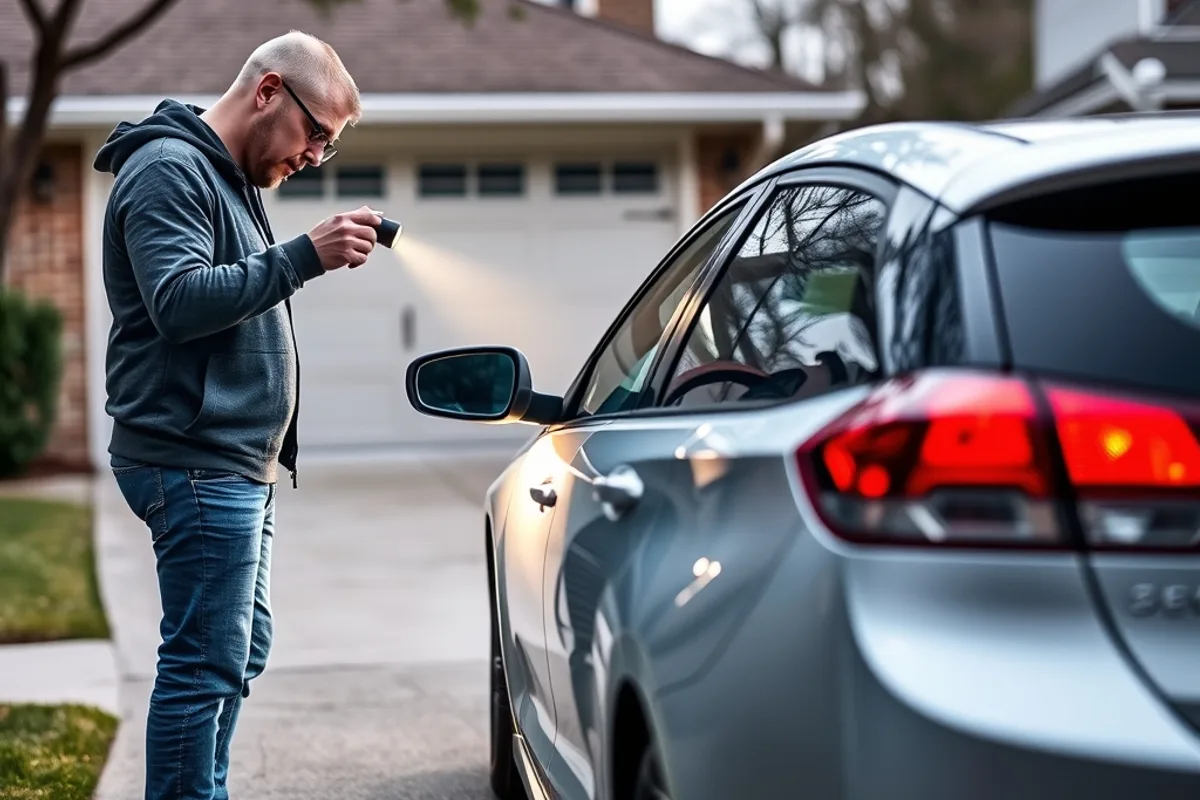
Do the inspection in daylight, on dry ground, with the engine cold. Bring a torch, a rag and a tyre tread gauge. Ask the seller not to warm the car before you arrive, because a cold start hides fewer noises and a warm engine can mask leaks.
1. Check the paperwork before the paint
Match the vehicle identification number on the windscreen, door jamb and documents. Look for a full service history, the number of previous owners and any recorded accident damage. A gap in the history is not automatically fatal, but it should lower your offer. Confirm the mileage against service records and the MOT or inspection history where available.
Ask whether the car has been used for business, rental or driving tuition. Those uses often mean more wear than the mileage suggests. Check for outstanding finance and make sure the seller is the registered keeper. If anything about the identity of the car feels wrong, stop.
2. Look at the body in raking light
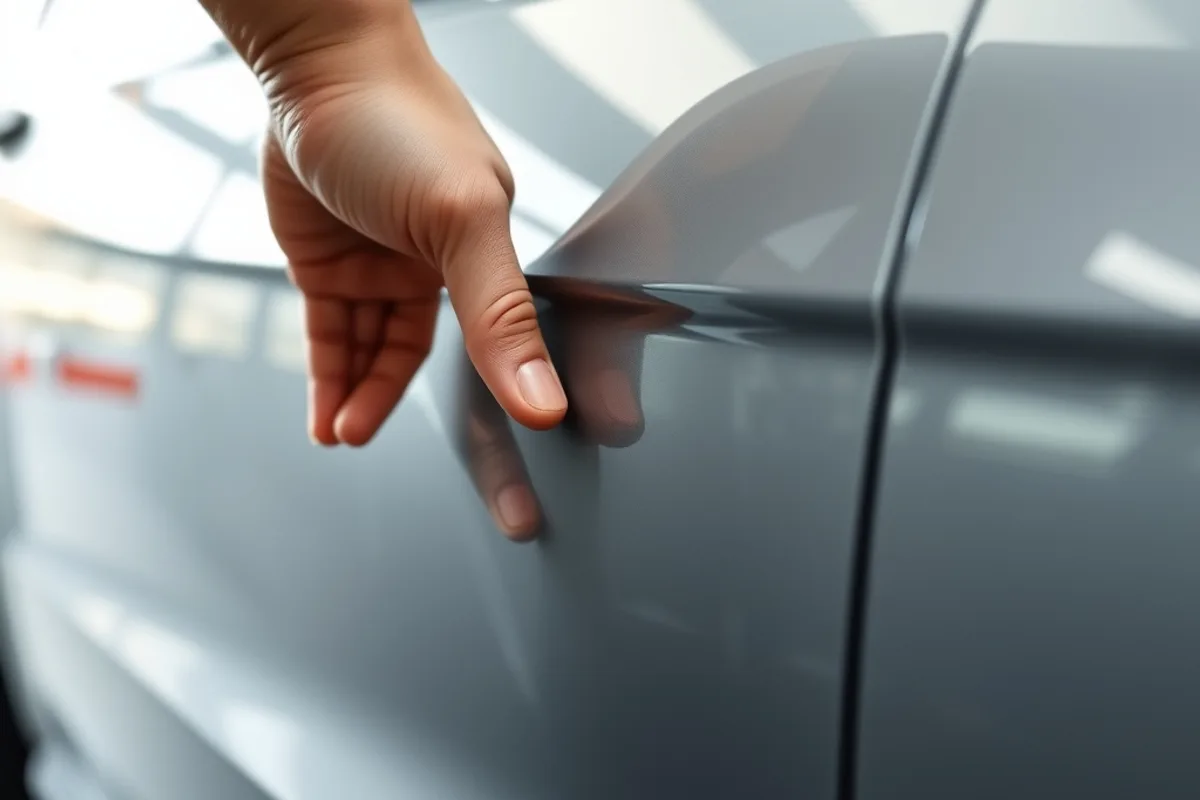
Stand at an angle to each panel and use the torch to look along the paint. Wavy reflections can indicate filler or a repaint after a collision. Check panel gaps around the bonnet, doors and boot; uneven gaps suggest poor repair. Look for overspray on rubber seals, glass and wheel arches.
Inspect the bumpers, lights and grille for cracks and mismatched colours. A replaced bumper is not a disaster, but it can hide damaged sensors or crash structure. Open and close every door, the boot and the bonnet. They should close cleanly without a hard slam or a gap you can see from the driver's seat.
3. Inspect the tyres and wheels
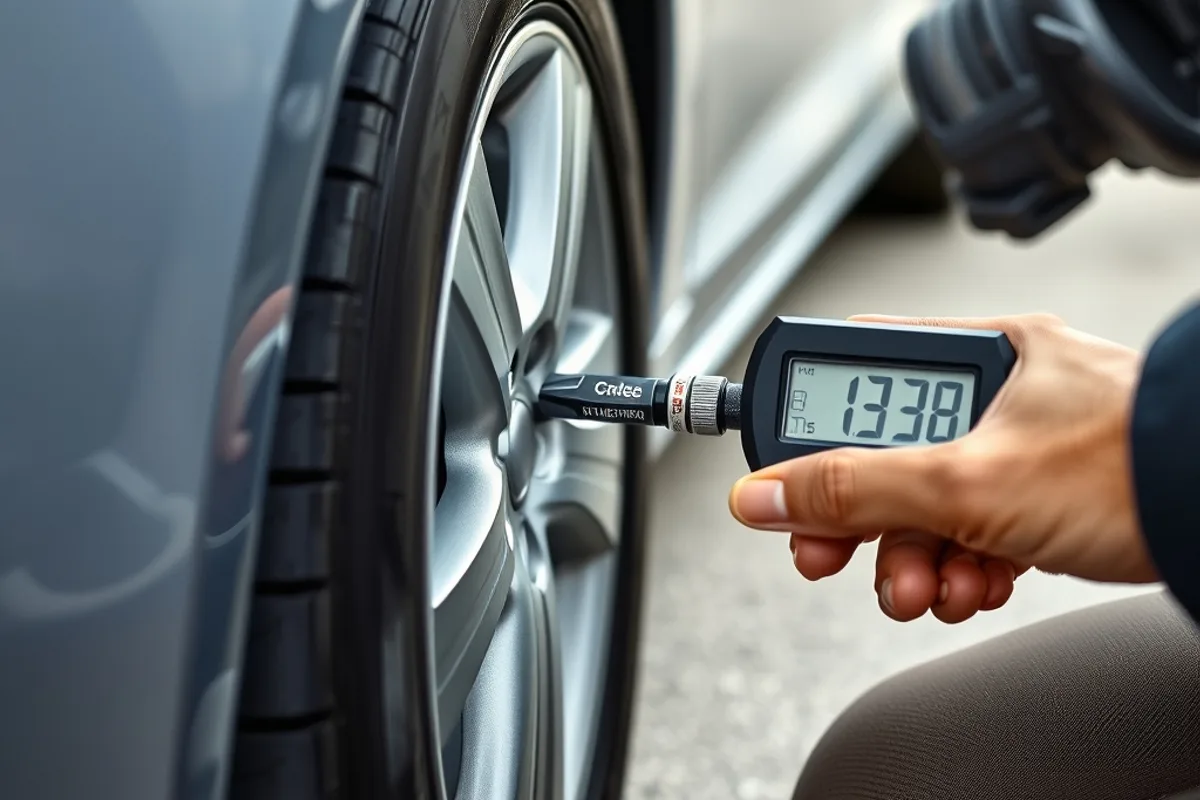
Check tread depth across the width of each tyre, not just the centre. Uneven wear points to alignment or suspension problems. Look for cuts, bulges and cracking in the sidewalls, and confirm the tyres match in size and type. A set of mismatched budget tyres can cost more to replace than the discount you negotiated.
Inspect the wheels for kerb damage and the brake discs for deep scoring or a pronounced lip. Look through the spokes at the brake pads if you can. A test drive will reveal warped discs as a vibration through the pedal, but visible neglect is a warning about the rest of the car.
4. Check fluids and leaks
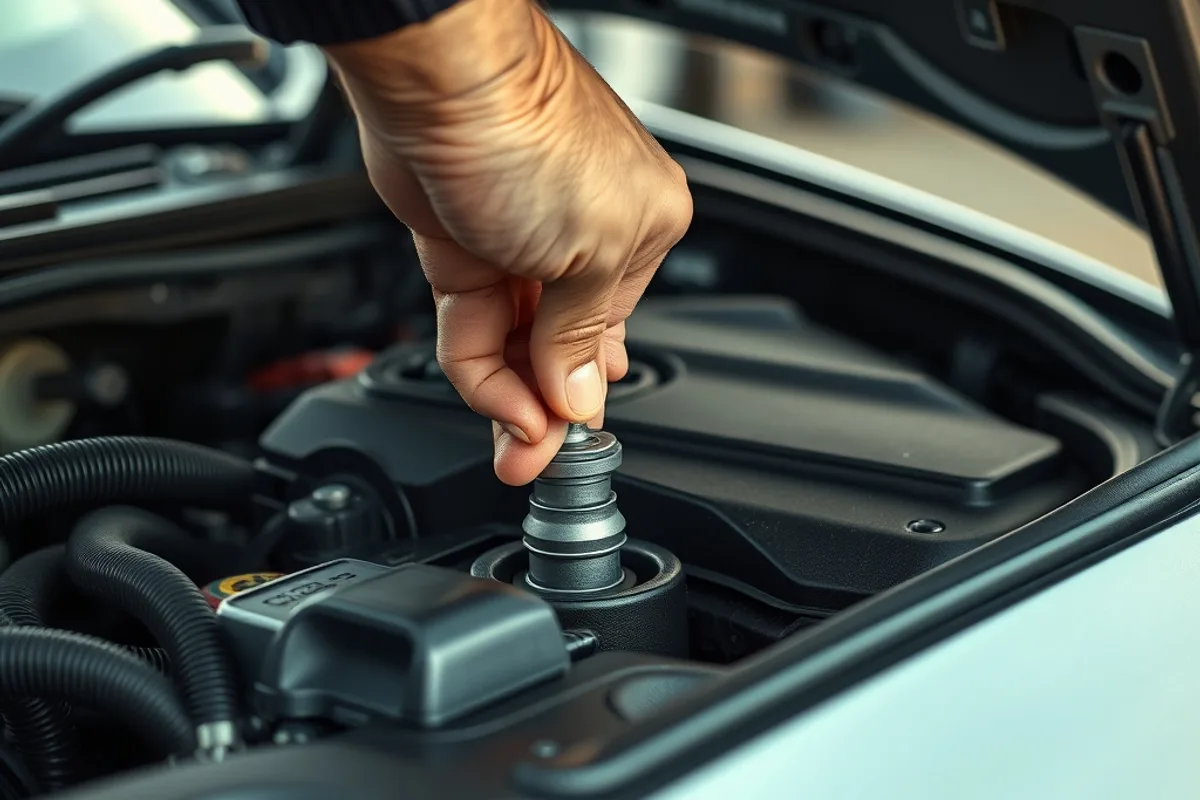
With the engine cold, pull the oil dipstick. The oil should be at the correct level and amber to dark brown, not milky or gritty. Check the coolant reservoir when cold, the brake fluid level and the washer bottle. Look under the car for fresh drips, especially under the engine, gearbox and radiator.
Inspect the engine bay for oil mist, coolant stains and a sweet smell. A clean engine can be a sign of careful ownership or a recent steam clean that hides a leak. Look at the edges of the engine cover and the underside of the bonnet for evidence of consistent seepage.
5. Start cold and listen
A cold start is the most revealing test. Listen for rattles, ticking or a laboured crank. Blue smoke can indicate oil burning, white smoke may be coolant, and black smoke points to fuelling problems. Let the engine idle and watch for a stable rev needle. Switch on the air conditioning and confirm it blows cold within a minute or two.
Check every electrical item: lights, indicators, windows, mirrors, seats, wipers, horn and infotainment. Press every button, including the ones you would rarely use. A dead module or a failed motor is a repair bill, and a cluster of small electrical faults can point to water ingress or a weak battery.
6. Test drive properly
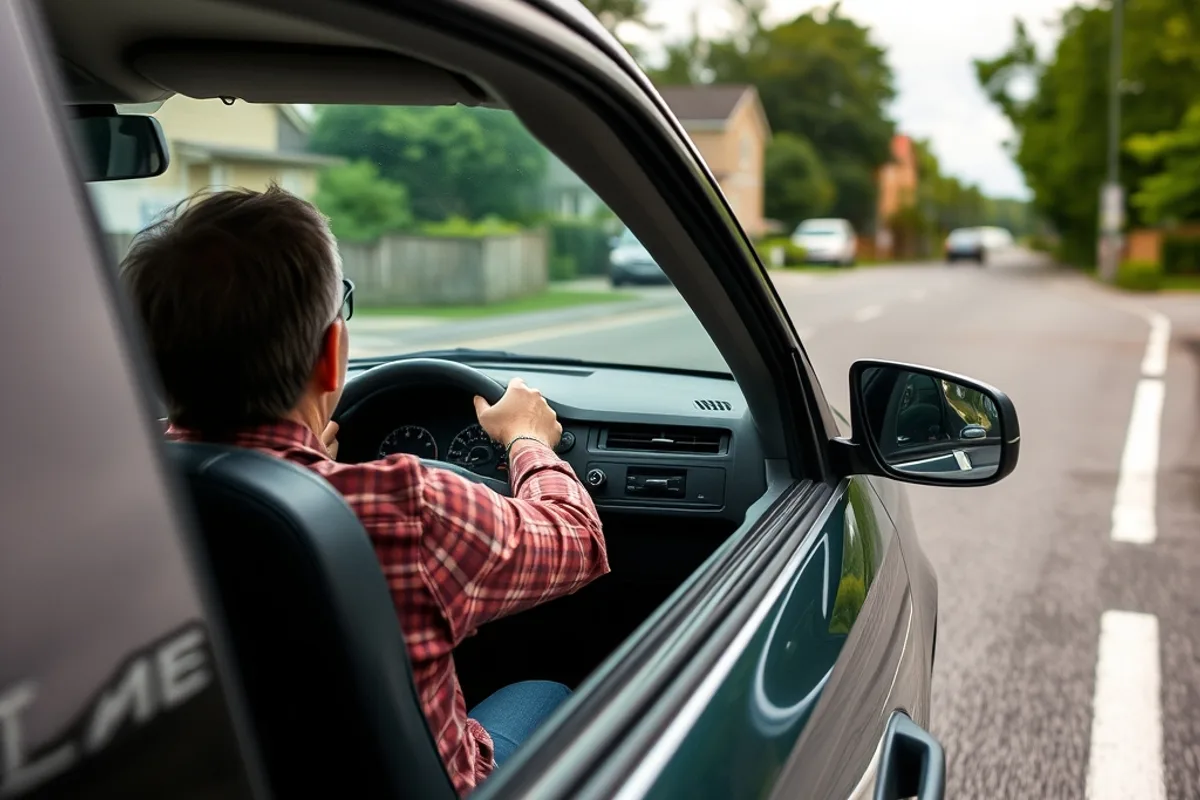
The test drive should last at least twenty minutes and include city traffic, a faster road and a rough surface. Accelerate smoothly and firmly, brake from speed in a straight line and check for pulling or vibration. Turn the wheel fully at low speed and listen for clicks from the driveshafts. Try a few parking manoeuvres to check the steering and visibility.
On a quiet road, listen for suspension knocks over bumps and whines that change with speed. Check that the gearbox shifts cleanly, including reverse, and that the clutch bites without slipping if it is a manual. After the drive, let the engine idle and look again for leaks or smoke.
7. Get an independent inspection
No checklist replaces a mechanic with a lift and diagnostic tools. An independent pre-purchase inspection typically covers the underside, suspension, brake lines, corrosion and fault codes. It is especially important for performance cars, older vehicles and anything with a complicated history. Use the findings to negotiate or to walk away.
Finally, check for outstanding recalls using the vehicle identification number at the NHTSA recall lookup or your local equivalent. A recall is usually fixed free of charge, but an unresolved safety defect should delay the purchase. Pay a deposit only in writing, with clear conditions, and never hand over the full amount before the paperwork and the car are verified together.
A used car is only a bargain if the faults you cannot see are smaller than the discount you negotiated.Emerson Lopze Editorial
We cross-check our advice against independent, official sources. For safety data see the National Highway Traffic Safety Administration, and for real-world economy figures see FuelEconomy.gov.