Car Buying
Choosing, inspecting and negotiating a new or used car without losing money.
Emerson Lopze groups its car buying writing into one place so you can find what matters without scrolling past marketing. Choosing, inspecting and negotiating a new or used car without losing money. We keep the language plain: what something costs, how long it lasts, and what we would do with our own money. Every article ends with a clear recommendation instead of a shrug.
Everything here is independent. We are not paid to rank products, we do not run sponsored lists, and when we lean on official data we link to it so you can check the numbers yourself. If two options are close, we say so rather than inventing a winner to sound decisive. Start with our home page, or jump to another topic such as Automotive Trends.
How we research and test car buying
Our writers are owners first. Cars and products are tested in real conditions, on daily commutes and long drives, and prices come from genuine quotes rather than press releases. Before publishing we cross-check specifications against manufacturer documentation and public safety and efficiency databases, and anything uncertain is labelled as an opinion. When we get something wrong we correct it in public, because trust matters more to us than looking clever.
We cross-check our advice against independent, official sources. For safety data see the National Highway Traffic Safety Administration, and for real-world economy figures see FuelEconomy.gov.
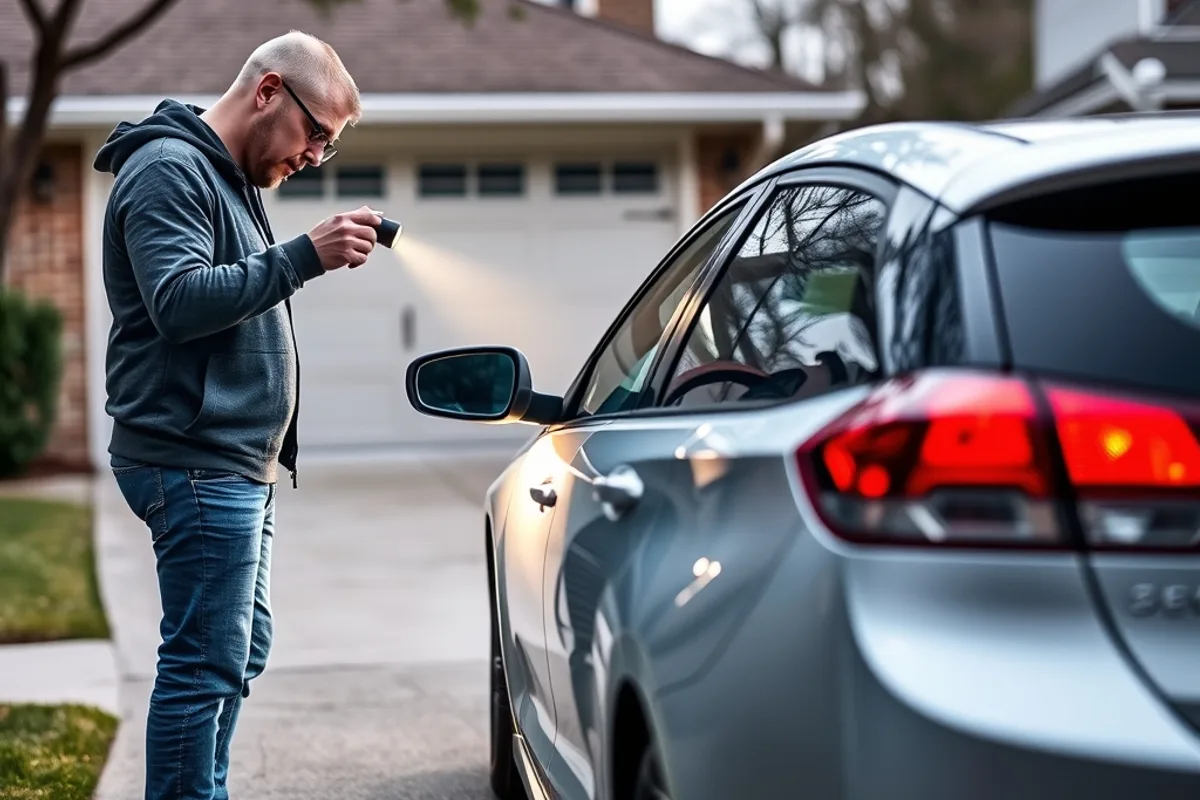
Our car buying coverage is written for owners, not showrooms. The cheaper car is not always the one with the lower sticker price. A five-year view of depreciation, finance and repairs settles the argument. New versus used in 2026: compare depreciation, financing, insurance, maintenance and warranty over five years to see which car really costs you less overall. A torch, ten minutes and this checklist can save you from buying someone else’s expensive problem. Here are the points that matter most. Use this 15-point used car inspection checklist to spot accident damage, hidden leaks and worn parts before you hand over money for a second-hand vehicle.