Car Insurance Premiums in 2026: What Drives Your Rate

Car insurance renewals have a habit of arriving with a number that feels unrelated to anything you did. In reality, premiums follow a formula built from claims data, repair costs and the specific risk of your car, your address and your driving record. Understanding that formula will not make insurance free, but it will explain the quote and show you where the real savings are.
The most important lesson in 2026 is that insurers are pricing technology as well as metal. A bumper full of sensors costs far more to replace than a plain one, and a minor parking knock can turn into a four-figure repair. That is why two cars with similar prices can carry very different premiums.
How insurers calculate your premium
An insurer starts with the expected cost of claims for a driver like you, then adds operating costs and profit. The expected cost comes from statistics: age, years licensed, claims history, location, annual mileage, vehicle model and cover level. Two drivers on the same street with the same car can still see different quotes because their records and credit-based insurance scores differ.
Pricing is regulated but not identical. Each insurer weights factors differently, which is why shopping around is not a cliché. Use the same cover, excess and mileage assumptions for every quote, otherwise you are comparing different products. The Insurance Information Institute publishes useful explanations of how auto insurance is priced and what the main coverages mean.

Repair costs are the hidden driver
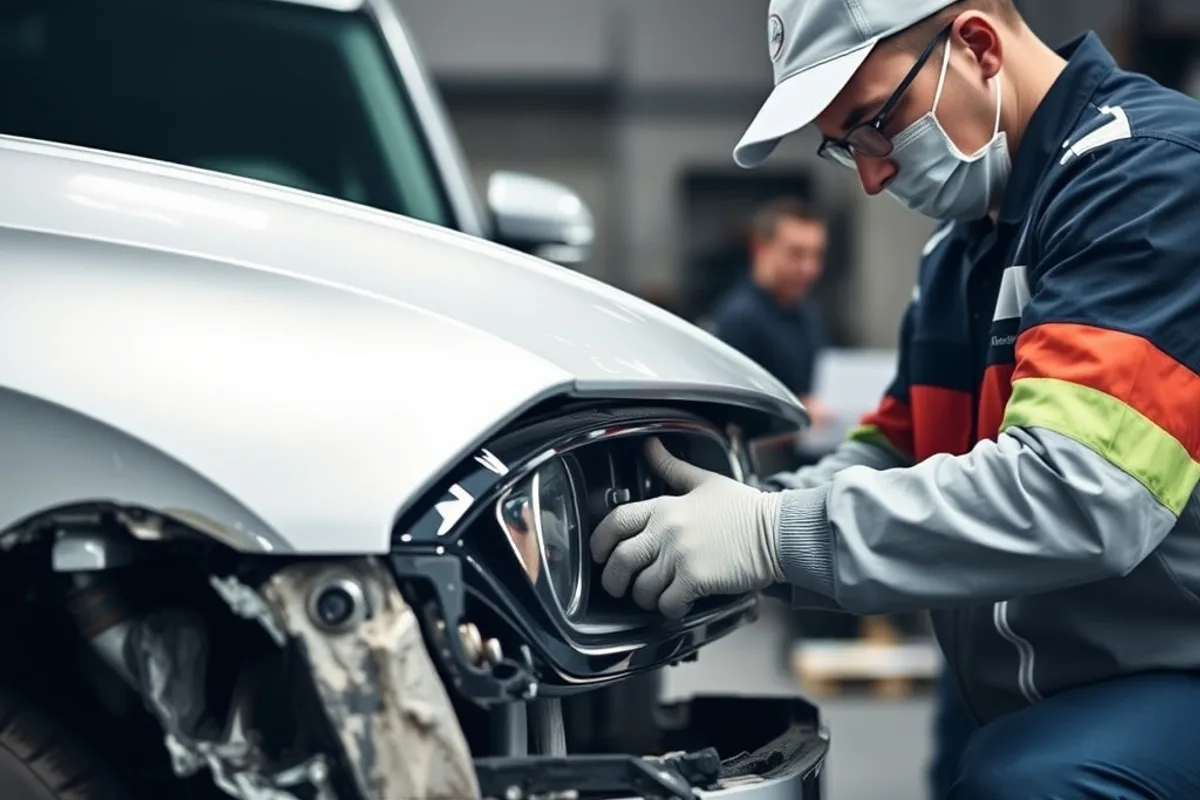
Modern cars are safer and more complex. Cameras, radar, parking sensors and radar-aligned bumpers all need calibration after a collision, and that work often requires specialist equipment. Even a low-speed impact can damage sensors that sit behind the grille or bumper skin. Insurers pay for that complexity, and the cost eventually returns to buyers through premiums.
Where you park matters too. A car kept on a busy street is more exposed to theft and cosmetic damage than one in a locked garage. Some insurers price postcode at a fine level, so moving a few streets can change a quote. If your car has advanced safety features, mention them, but do not assume a discount. Ask which specific systems the insurer recognises.
Your driving record and no-claims discount
A clean record is still the most reliable discount in insurance. Most insurers reward each claim-free year, and the discount usually builds over five years or more. Protect it carefully. A small claim for a scratched bumper may cost more in future premiums than paying for the repair yourself, especially once the excess is taken into account.
Be honest about who drives the car. Adding a young driver raises the premium, but failing to declare one can void a claim. Named-driver policies and telematics products can reduce the increase for low-mileage young drivers, though they come with their own rules. Always read how a product measures risk before you sign up.

Cover level and excess change the price
Third-party cover is the legal minimum in many places, but it will not repair your own car. Comprehensive cover costs more and usually makes sense for newer or financed vehicles. The excess is the amount you pay toward a claim, and raising it lowers the premium. Choose an excess you could genuinely afford tomorrow, not the highest number that makes the quote look good.
Optional extras deserve scrutiny. Courtesy cars, breakdown cover and windscreen protection can be valuable, but they are sometimes cheaper when bought separately. Check the policy limits, the claim process and whether repairs must use an approved shop. A low premium with a restrictive repair network can be false economy.
Practical ways to lower a quote
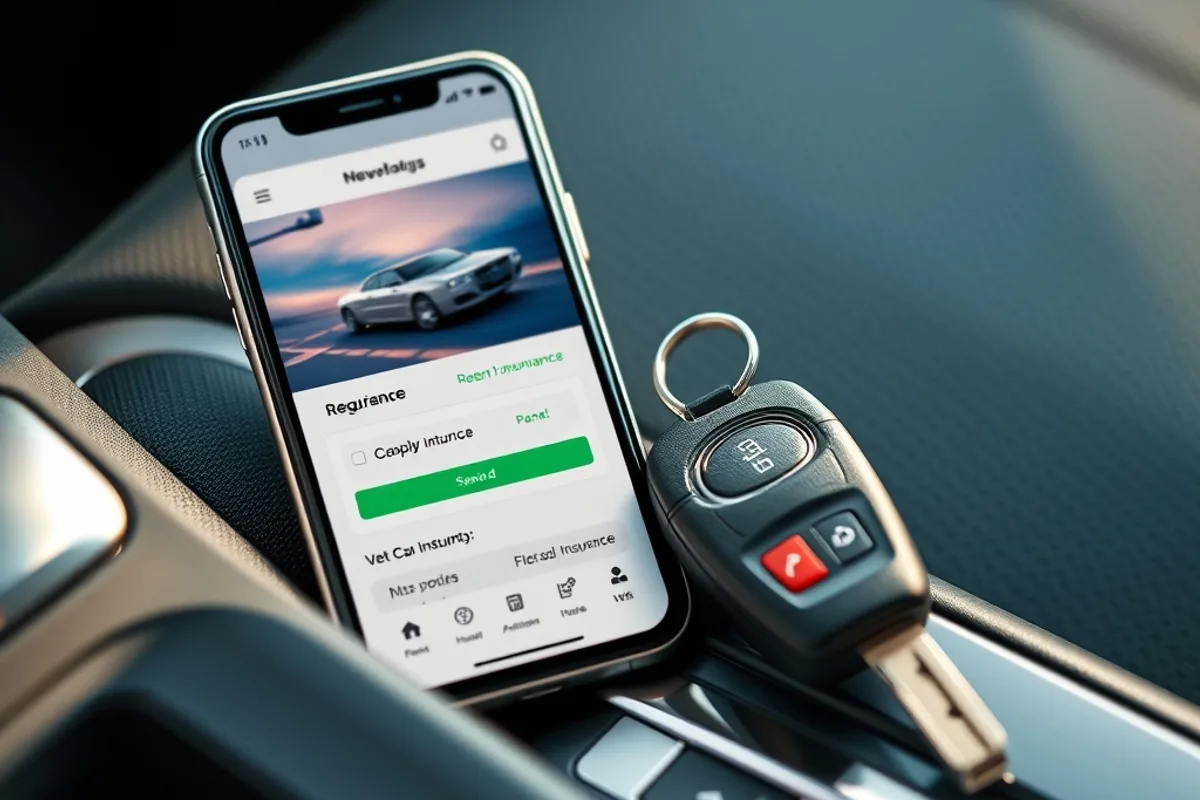
The biggest savings usually come from comparison and accuracy rather than gimmicks. Get at least three quotes, correct any wrong details, and re-quote at renewal instead of auto-renewing. Pay annually if you can, because monthly instalments often carry interest. Keep the car in a garage where possible and choose a model with affordable parts and a strong theft record.
Think twice before making small claims, and ask how a claim affects your no-claims discount over the next three years. If you have a second car, a multi-vehicle policy may help, but compare it against separate policies. Loyalty is rarely rewarded automatically, so the renewal letter is an invitation to negotiate, not a final answer.
Comparing policies properly
Price is only one line on the page. Put the quotes side by side and compare the excess, the cover limits, the repair network and what is excluded. Check whether legal expenses, personal accident cover and uninsured-driver protection are included. Read the exclusions for modifications, business use and named drivers, because those are where disputes begin.
Finally, keep evidence. Photos of the car, a record of declared mileage and a copy of the policy schedule make any future claim simpler. Insurance is a contract, not a lottery. Understanding what you bought is the best way to make sure the premium you pay actually protects you when it matters.
A cheap premium on the wrong policy is not a saving. It is a bet you may lose at the worst possible moment.Emerson Lopze Editorial
We cross-check our advice against independent, official sources. For safety data see the National Highway Traffic Safety Administration, and for real-world economy figures see FuelEconomy.gov.