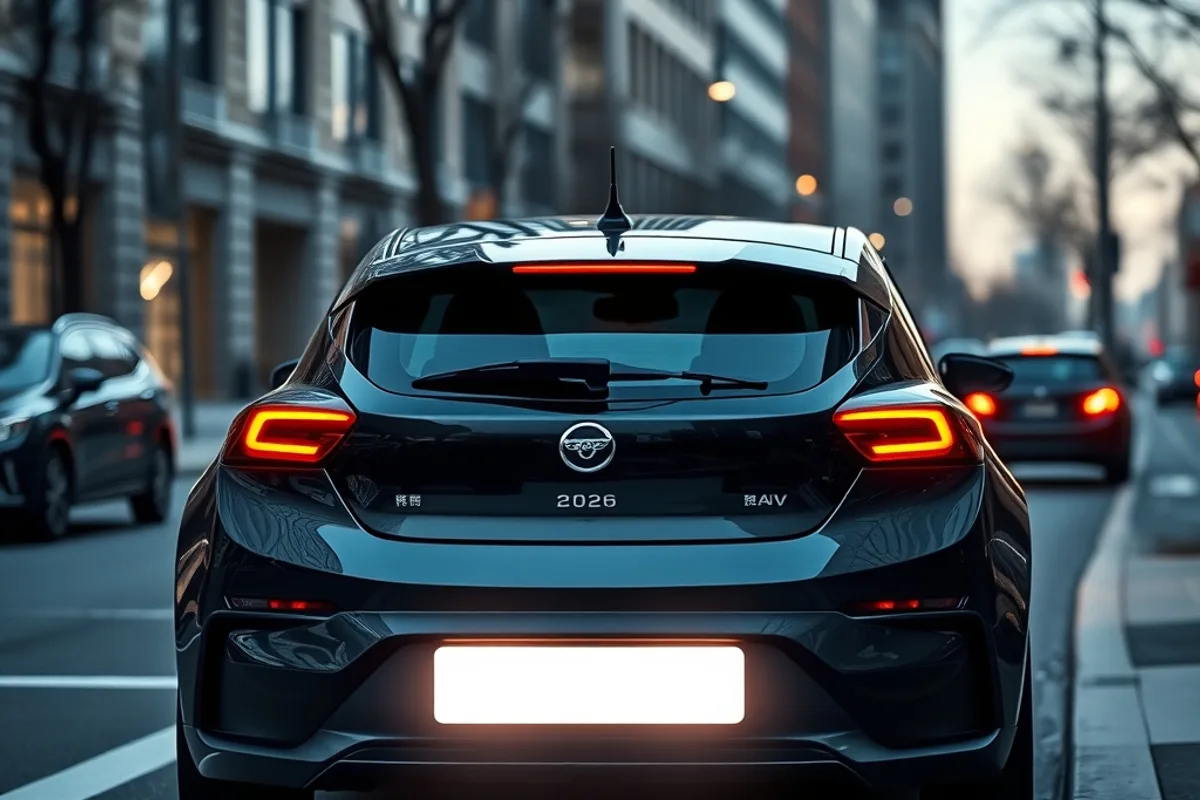
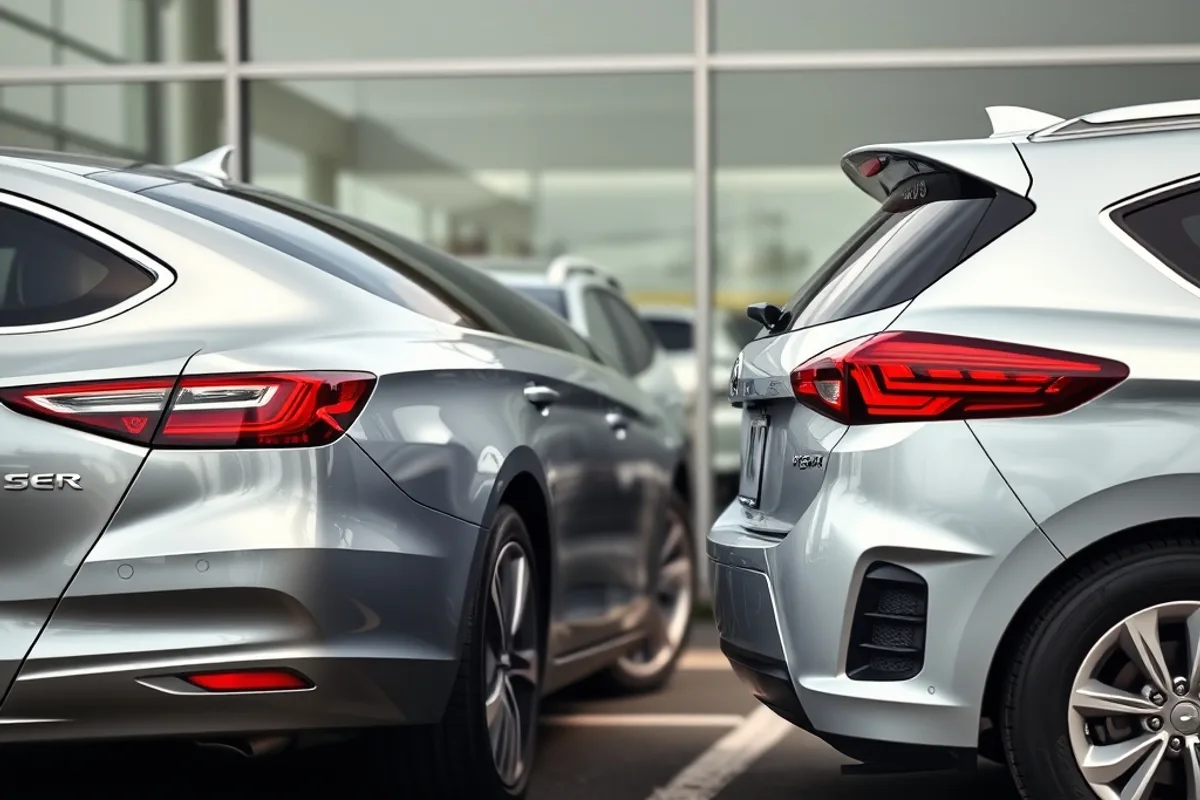
Why Compact Cars Are Making a Quiet Comeback in 2026
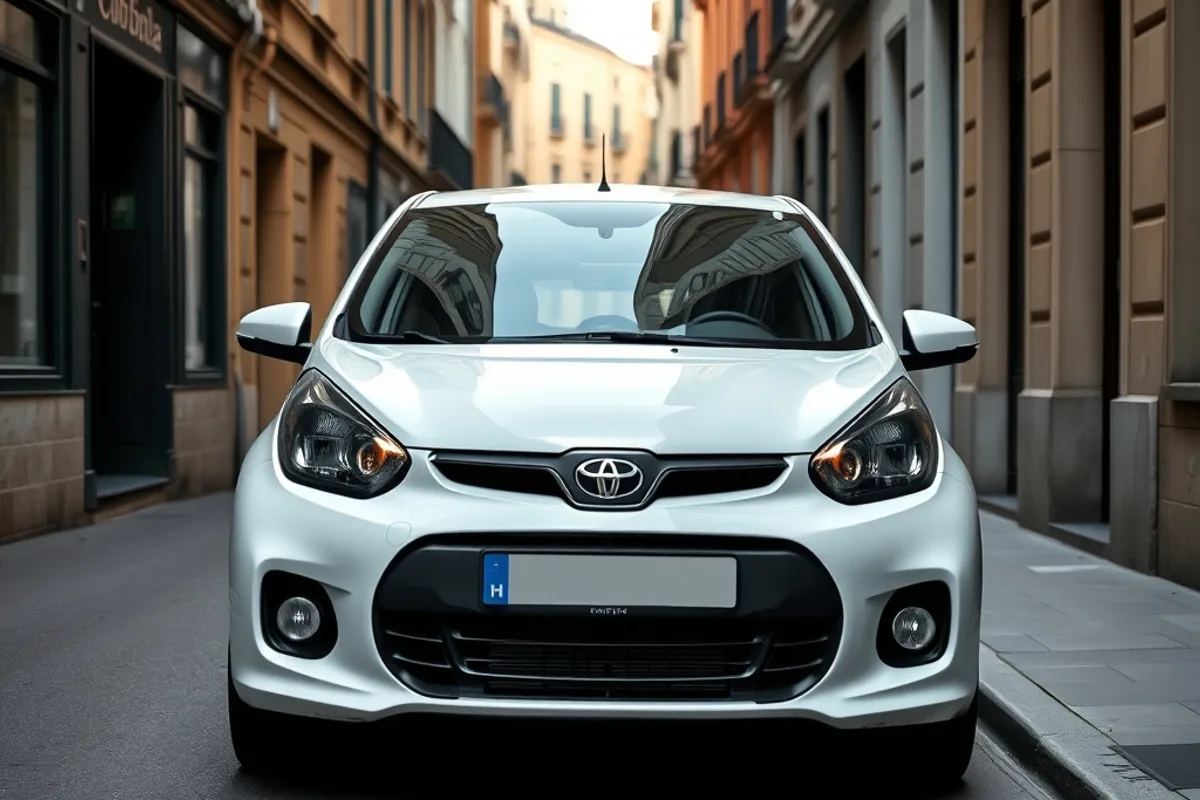
For a decade the market moved in one direction: bigger, taller and heavier. In 2026 the compact hatchback and small crossover are quietly winning buyers back. The reasons are not romantic. They are financial and practical, and they show up every time someone parks in a tight street or reads a monthly payment.
The shift is visible across showrooms. Small cars that were once treated as entry-level loss leaders now come with hybrid power, decent safety kit and interiors that feel far more expensive than their price. Meanwhile, the average new vehicle has grown larger and costlier, pushing many buyers to reconsider how much car they really need.
Price pressure changed the maths
The average new car price has risen faster than wages for years, and financing costs make the difference sharper. A compact typically costs fifteen to twenty-five percent less than a comparable mid-size SUV, and that gap compounds through insurance, tyres and fuel. Smaller tyres are cheaper to replace, and a lighter car uses less energy in the city, where most drivers spend their time.
Insurance groups usually favour smaller, less powerful cars, although safety features and repair costs matter too. Before assuming a compact is cheaper, get a real quote using the exact trim and postcode, because a high-tech bumper with sensors can cost more to repair than a simple one on a larger car. The FuelEconomy.gov comparison tool is a useful sanity check for annual fuel costs between models.

Urban space is the real luxury
In cities, a compact does something an SUV cannot: it fits. Narrow streets, old garages, tight multi-storey ramps and on-street parking all reward a smaller footprint. A car that is twenty centimetres narrower can turn a daily stress into a non-event. For households with one car, that convenience is worth more than occasional extra boot space.
The catch is packaging. Modern compacts use a taller body and a short bonnet to free up cabin room, which helps headroom but does not create a third row. If you regularly carry adults in the back, check legroom with the front seat set for a tall driver. If you carry children, a compact is usually plenty, and a higher roof line makes fitting child seats easier than in a low saloon.
Hybrid technology finally fits small cars
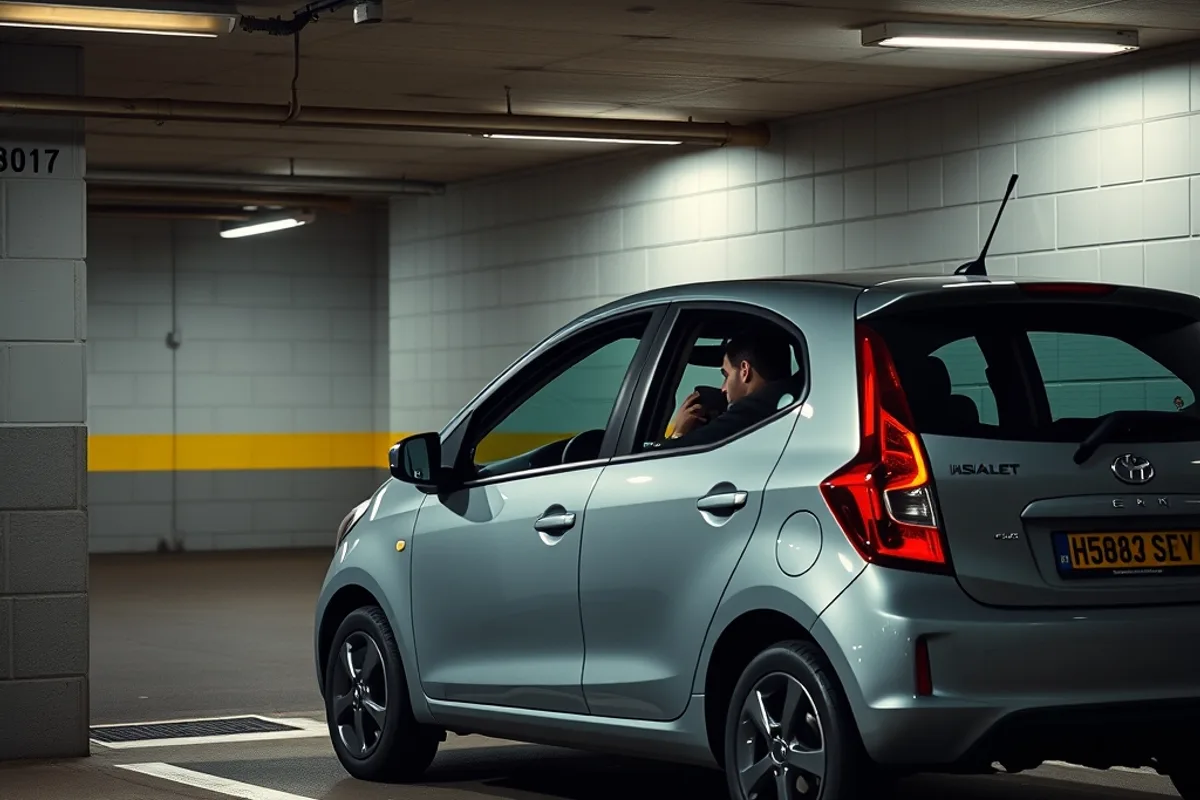
The biggest technical change is that hybrid systems have become small and cheap enough for compact models. A compact hybrid can return excellent city economy because the electric motor handles low-speed creep and the engine switches off at lights. Unlike a plug-in hybrid, it needs no charging cable, which makes it ideal for drivers without a driveway.
Real-world economy depends on driving style. Short trips in cold weather will always be less efficient, and a heavy right foot erases much of the advantage. Still, for a commuter covering fifteen to twenty thousand kilometres a year, the fuel saving over a larger petrol SUV is meaningful. Compare the total cost over five years rather than the sticker price alone, including insurance, tyres, servicing and the expected resale value.
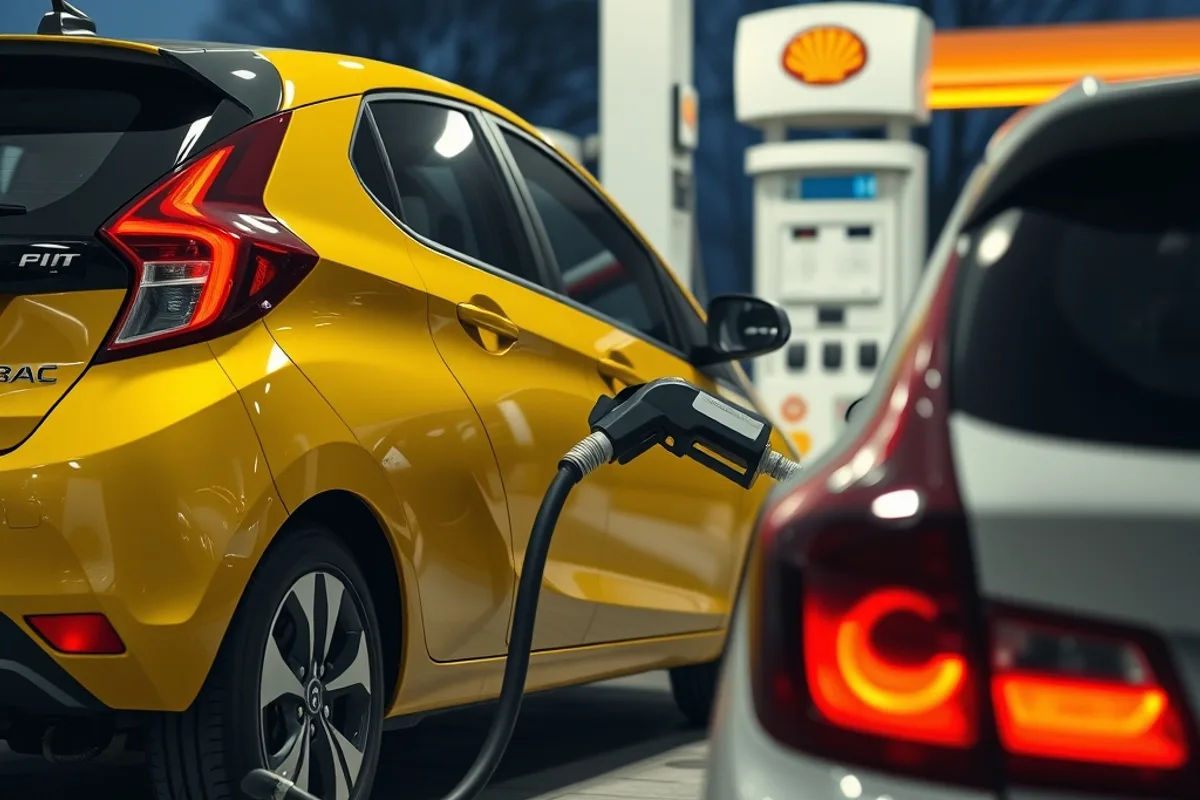
Safety is no longer a reason to size up
Buyers once chose large cars for crash protection, but modern compacts routinely earn top ratings. A smaller car has less mass, which is a disadvantage in a collision with a much heavier vehicle, yet good structure and standard automatic emergency braking narrow the gap. The best protection is still avoiding the crash, so look for a model with strong pedestrian detection and reliable lane assistance.
Check the rating for the exact model year and trim, not the nameplate. Makers sometimes change airbags or structural parts between facelifts, and a five-star result from three years ago may not apply to today's car. Reputable independent crash test programmes publish the details, including which tests were performed and whether the result applies to the local specification.
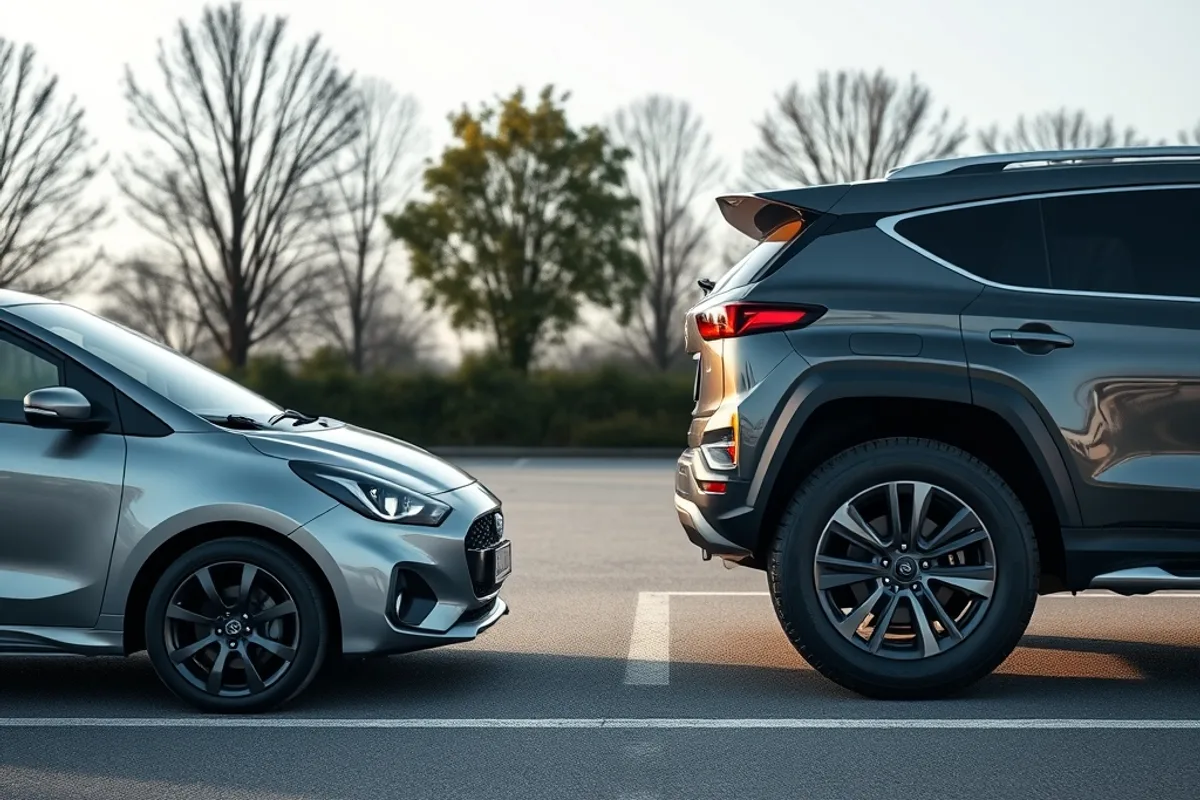
Where a compact still loses
Small cars are not the right answer for everyone. Towing capacity is limited, and a family of five with luggage will feel the squeeze on a long holiday. Rear seat space and boot volume are the usual compromises, and some compacts use cheap plastics that reveal their price after a few years. Road noise is another common weakness, especially on coarse motorway surfaces.
These are not reasons to dismiss the class, but they are reasons to test properly. Load the boot with what you actually carry, sit in the back, and take the car on the road surface you use most. A compact that feels refined on a smooth test route can become tiring on a daily commute over rough tarmac.
How to choose a compact in 2026
Start with the smallest car that covers your normal week, not your annual holiday. Prioritise a hybrid if you drive in traffic, a turbo petrol if you spend more time on open roads, and an electric model only if you can charge reliably at home or work. Check the warranty, the insurance group and the cost of replacement tyres before you negotiate.
Then compare two or three models on the same day, on the same route. The differences that matter are rarely in the specification sheet: seat comfort, visibility, control layout and how the car feels at parking speed. A compact that makes the boring parts of driving easier is doing exactly what it was designed to do.
A smaller car is not a compromise if it fits the life you actually live.Emerson Lopze Editorial
We cross-check our advice against independent, official sources. For safety data see the National Highway Traffic Safety Administration, and for real-world economy figures see FuelEconomy.gov.