How Hybrid Batteries Age: Range, Replacement and Resale
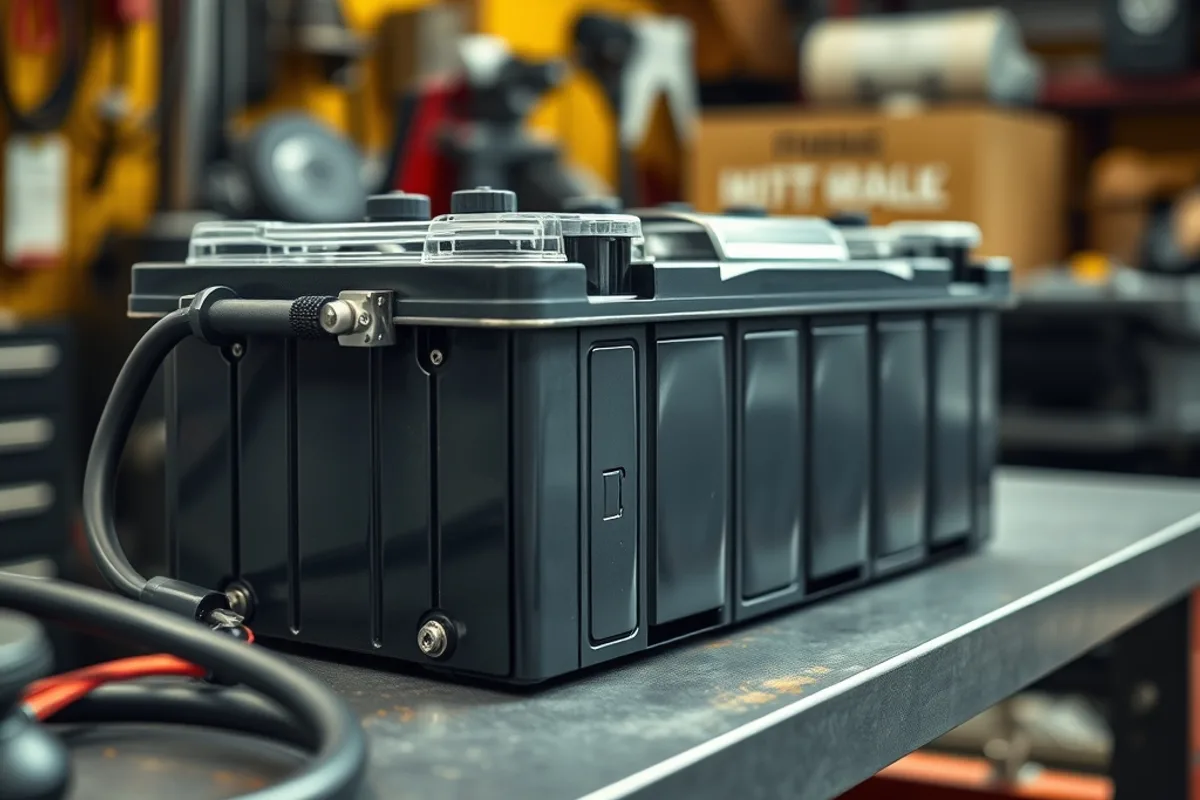
Few topics in used-car conversations produce more anxiety than the hybrid battery. The fear is understandable: a replacement pack sounds expensive, and early hybrids did have failures. The reality in 2026 is calmer. Modern hybrid batteries are managed carefully, cooled properly and covered by long warranties. They degrade gradually with age and use, and most outlast the car's first owner by many years.
That does not mean battery health is irrelevant. It is a genuine factor in purchase price, resale and running costs, and it deserves a proper check rather than a rumour.
What actually happens as a battery ages
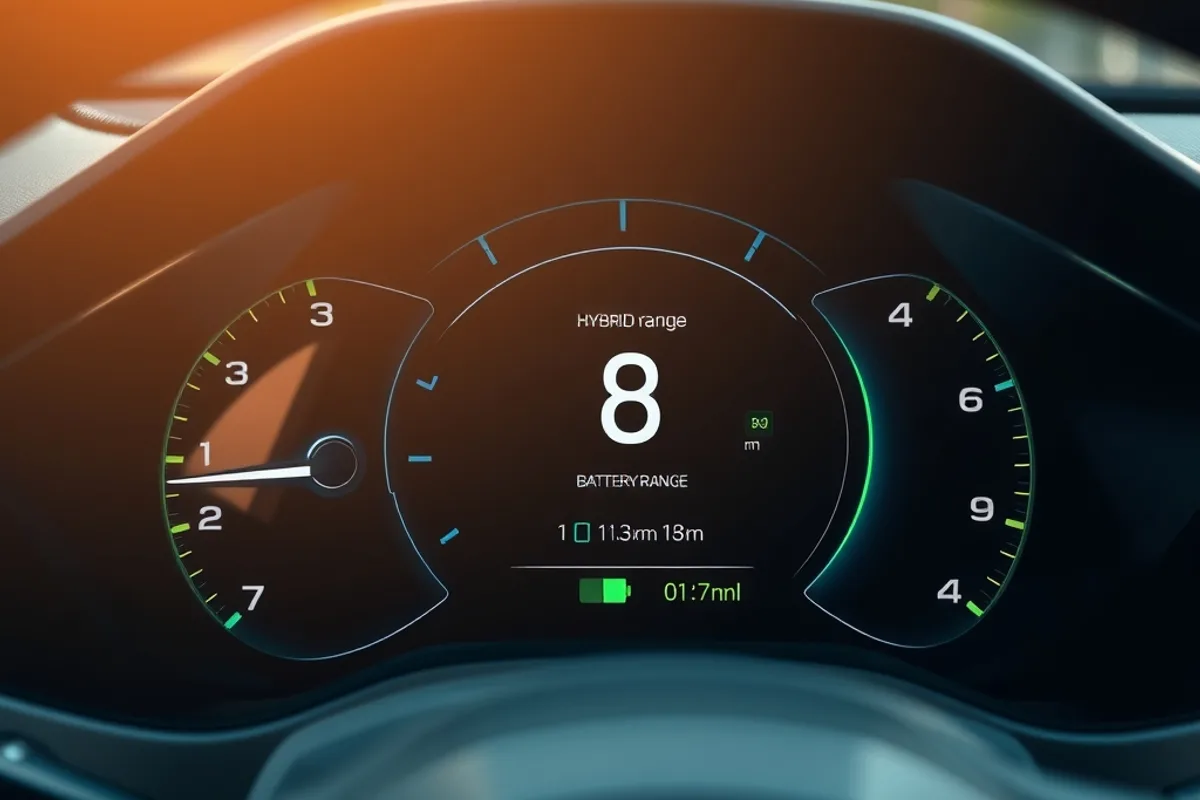
A hybrid battery stores less energy as its cells age. The car can still drive, but it spends less time in electric mode and the engine runs more often. Fuel economy drops slightly, and the dashboard may show a lower electric range on a plug-in hybrid. Capacity loss is usually gradual, not a cliff, and the battery management system hides much of it by keeping a reserve at the top and bottom of the pack.
Heat is the biggest enemy. Cars used in hot climates or left parked in direct sun for years tend to age faster. Frequent fast charging on a plug-in can add stress, though the software usually protects the pack. A car that has been sitting unused for long periods may also have a weaker battery, because cells prefer regular, moderate use.
Signs of a weakening battery
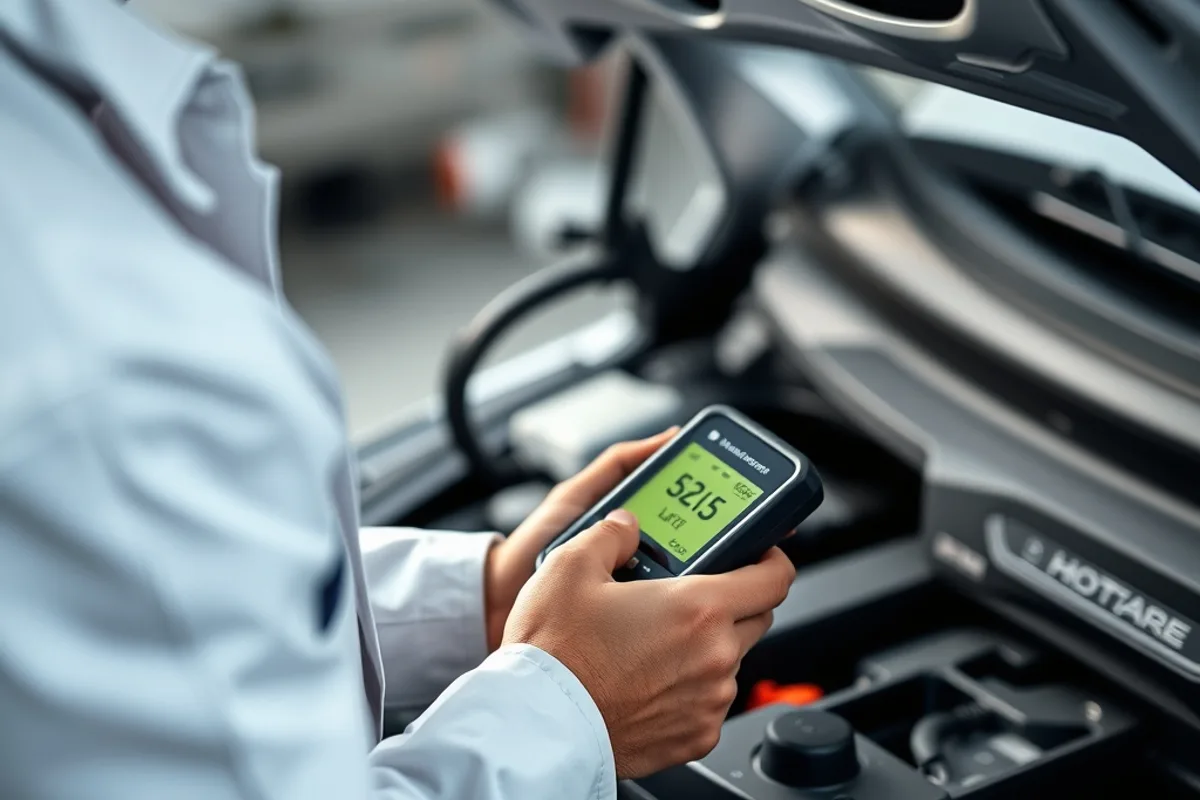
The clearest sign is a drop in electric range or in the time the car spends in electric mode. You may also notice the engine starting earlier, the battery gauge falling faster or the car feeling less willing to pull away on electricity. A warning light, a persistent error message or a sudden loss of power is a different matter and needs immediate diagnosis.
Do not rely on the dashboard alone. A hybrid battery health check by a specialist can measure cell balance and capacity. Some insurers and dealers offer this as part of a pre-purchase inspection. If you are buying privately, ask for recent service records and a battery report, and treat a missing report as a reason to negotiate rather than an automatic rejection.
Replacement cost and warranty
Replacement costs vary widely by model and supplier. A refurbished pack or a rebuilt module can cost far less than a new factory battery, and independent specialists often offer both. Some packs can be repaired at module level rather than replaced whole. Get a written quote for the exact model before you assume the worst.
Most hybrids carry a battery warranty of eight to ten years or a specified mileage, whichever comes first. Check whether it transfers to a second owner and what it covers. A warranty that only applies to the original buyer is worth less on the used market. Keep the paperwork, because a documented warranty is a selling point. The US Department of Energy explains how these packs are designed and managed.
How battery health affects resale
A used hybrid with a healthy battery and a transferable warranty sells more easily and holds value better. A car with a known weak pack will attract buyers who factor in the replacement cost, which lowers the price. The effect is usually modest for mainstream models, because buyers have learned that batteries last, but it is larger for older cars outside warranty.
If you are selling, get a battery health report and include it in the advert. If you are buying, use a weak report to negotiate, but do not walk away solely because a car is eight years old. Age matters less than climate, mileage, usage pattern and how the car was stored.
Making a hybrid battery last
Park in the shade where possible, avoid leaving the car at very low or very high charge for long periods, and keep up with the manufacturer's cooling and service checks. On a plug-in, use the scheduled charging settings rather than fast charging every day if you do not need to. Drive smoothly, because aggressive use creates more heat.
Do not ignore unusual noises from the battery area or a sudden change in electric behaviour. Early diagnosis is usually cheaper than a full replacement. A hybrid is still a car, and its battery benefits from the same care as the rest of the drivetrain: regular use, sensible temperatures and attention to warning signs.
The sensible conclusion
Hybrid battery anxiety is mostly outdated. Packs age, but they usually do so slowly, and warranties cover the period when failure is most likely. Check the health, confirm the warranty, and price the risk into the deal. A well-maintained hybrid with a documented battery is a sound used purchase, and a little knowledge will stop you paying for a fear that the data does not support.
A hybrid battery does not usually fail overnight. It fades, and the dashboard tells you long before the workshop does.Emerson Lopze Editorial
We cross-check our advice against independent, official sources. For safety data see the National Highway Traffic Safety Administration, and for real-world economy figures see FuelEconomy.gov.