Telematics Insurance: Does Driving Data Really Cut Bills?
Telematics insurance has moved from a niche experiment to a mainstream option. Insurers offer it as a way to price risk more precisely, and drivers sign up hoping for a lower renewal. The reality is more nuanced. For some drivers it is a genuine saving. For others it is a modest discount wrapped in a lot of data collection and a set of rules that are easy to break without noticing.
This guide explains what telematics measures, how the pricing usually works and how to decide whether it suits your driving before you hand over your data.
What telematics actually measures
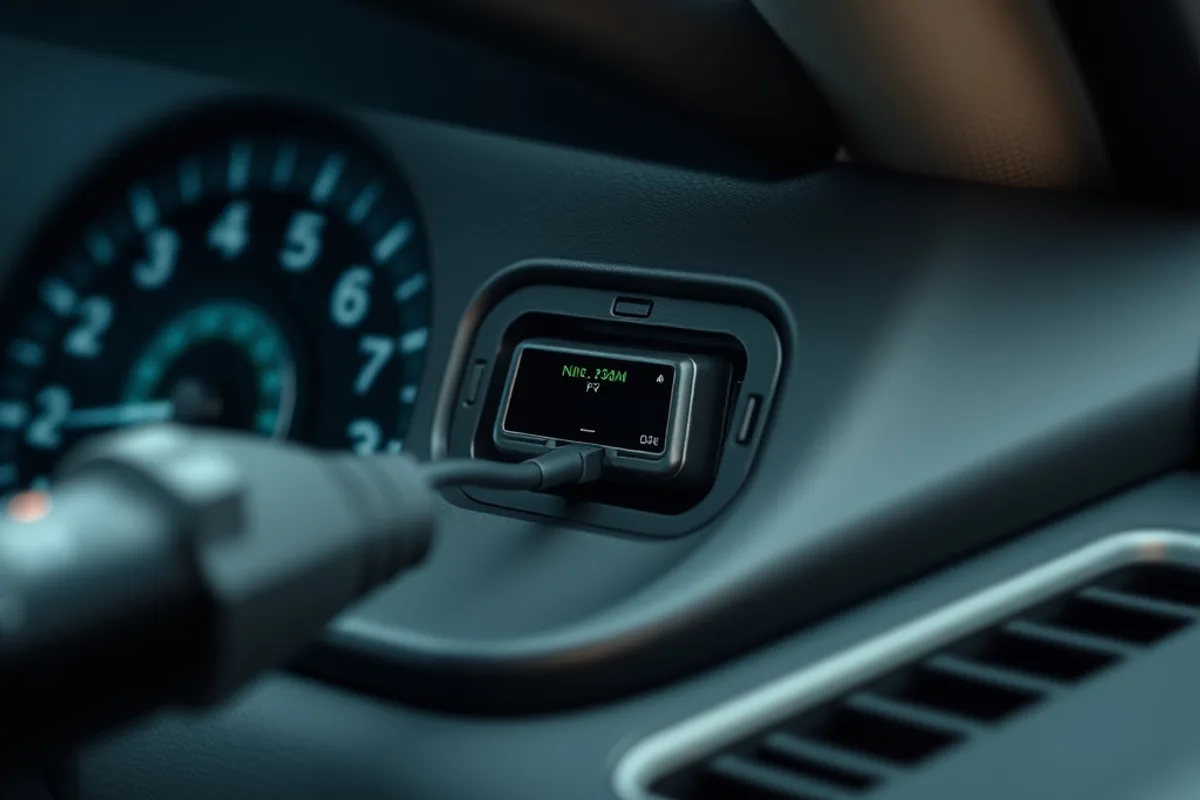
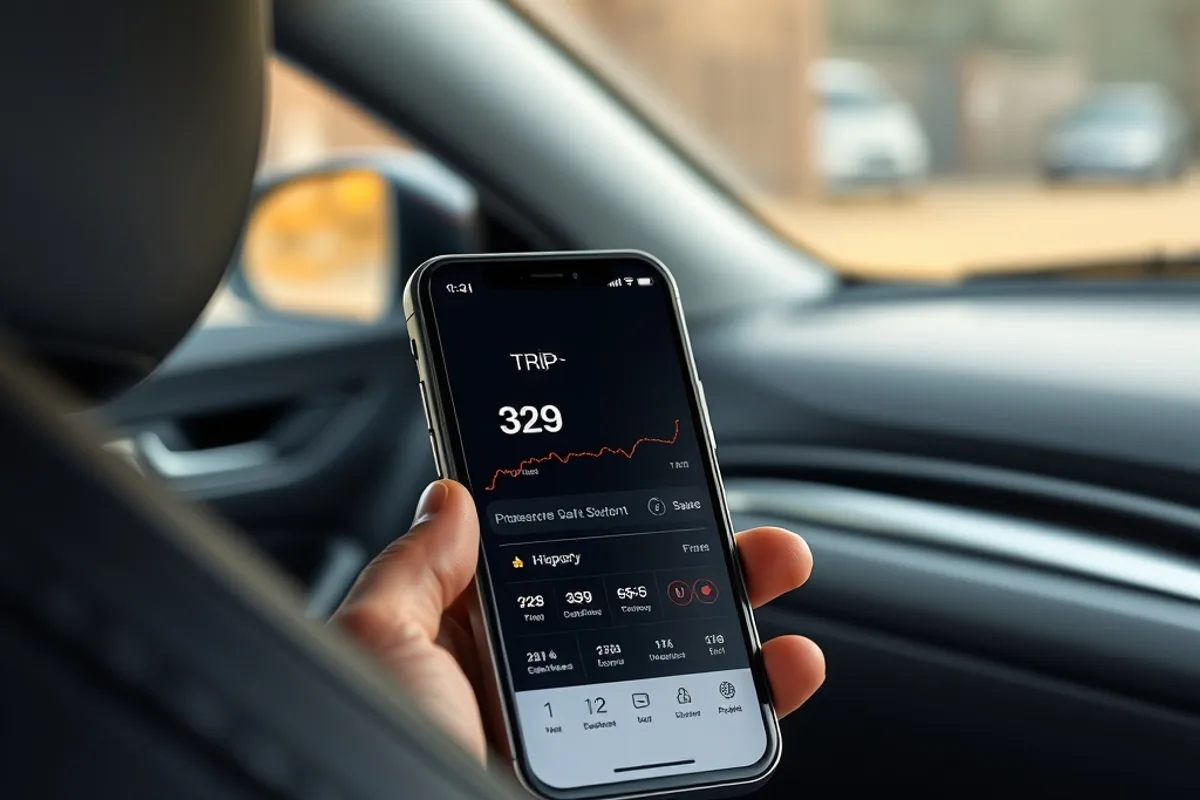
There are two main systems. A small device plugged into the car's diagnostic port reads speed, acceleration, braking and sometimes location. A smartphone app uses the phone's sensors and GPS instead. Both build a picture of how, when and where you drive, then turn that into a score or a set of risk factors.
Typical inputs include harsh acceleration, hard braking, cornering force, speeding relative to posted limits, trip length, time of day and total mileage. Some programmes also record phone use while driving. The insurer does not usually watch you live. It summarises behaviour, but the raw data may include detailed trip locations and timestamps, so read the privacy section before agreeing.
How the discount is calculated
Most policies offer a small upfront discount and then adjust the renewal based on your score. Some use a monthly model where a good score lowers the next payment and a poor one raises it. Others promise a percentage off at renewal if you stay above a threshold. The details matter more than the headline, because the best-case saving is not guaranteed.
Ask three questions before buying: what score do I need for the advertised discount, when is the score measured, and what happens if I have a bad month? A policy that rewards one perfect quarter and punishes a single emergency stop is not the same as one that averages your behaviour over a year. The National Association of Insurance Commissioners publishes consumer guidance on usage-based insurance that is worth reading before you enrol.
Who tends to save money
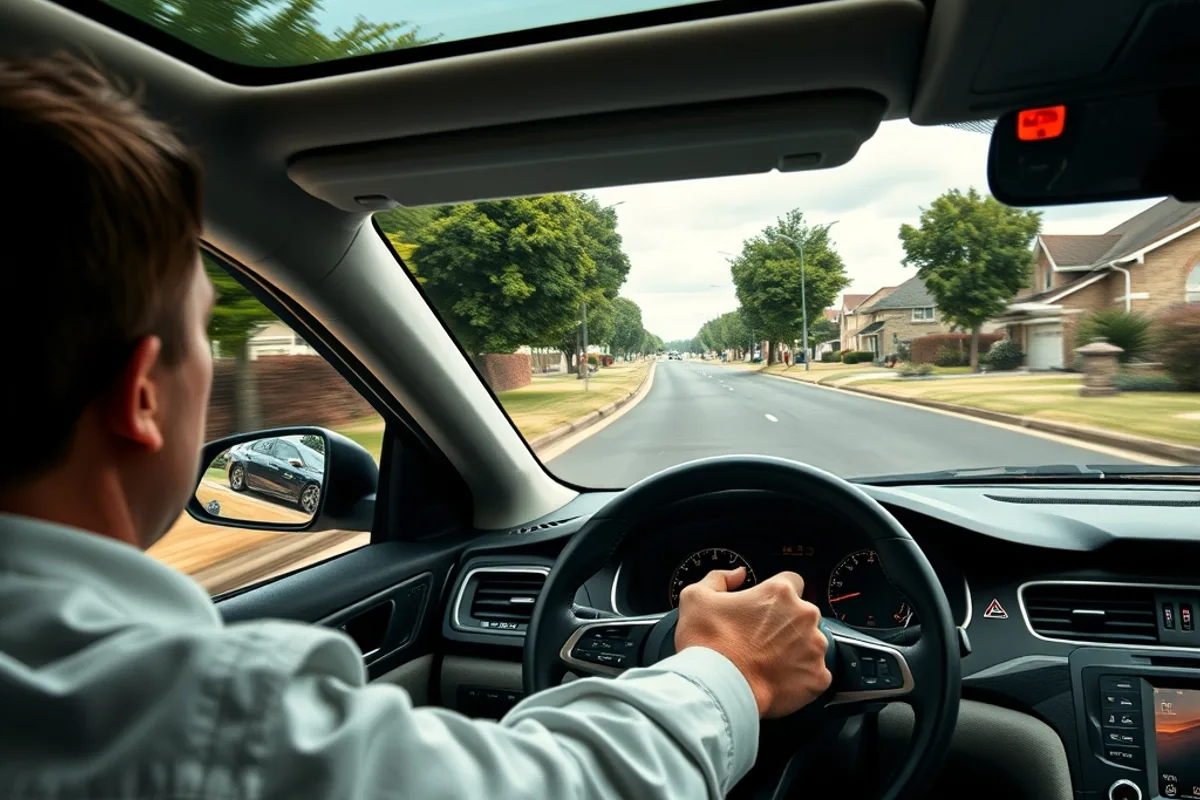
Telematics tends to favour drivers who cover low mileage, avoid busy late-night roads and drive smoothly. A commuter on a predictable route with few hard stops is close to the ideal profile. Young drivers can benefit most, because their standard premiums are high and a measured record can demonstrate responsibility.
It is less attractive for drivers who regularly tow, use the car for business, drive at night or cover high mileage. If you brake firmly because you drive in dense traffic, the algorithm may not distinguish caution from aggression. Similarly, a smooth motorway cruise can score well on some systems and poorly on others if time-of-day weighting is strong.

The privacy and practical trade-offs
Telematics requires location data, which is more sensitive than a simple mileage figure. Check who owns the data, how long it is kept and whether it is shared with other companies. Look for a clear statement that data will not be used to increase a premium outside the agreed programme, and find out what happens when you cancel.
Installation is usually simple, but an OBD device occupies the diagnostic port and may interfere with access for a mechanic. Phone-based systems drain battery and depend on the app running reliably. If the app fails to record a trip, you may need to prove your mileage another way. Keep the device or app settings correct, and check that a second driver in the household is handled fairly.

How to test whether it is worth it
Start by asking your current insurer for a like-for-like quote with and without telematics. Compare the guaranteed price, not the maximum possible discount. Then estimate your real annual mileage and the times you usually drive. If you regularly make late-night trips or commute through heavy traffic, assume the score will be lower than the brochure suggests.
Run the programme for a full term before judging it. A single month is not enough to see how the score settles, and renewal pricing is where the real effect appears. If the saving is small, the data trade-off may not be worth it. If the difference is substantial and your driving fits the model, telematics can be a sensible choice.
A fair deal, not a free lunch
Telematics is best understood as a pricing tool, not a reward scheme. It lets an insurer charge more accurately, and some of that accuracy can benefit careful drivers. It also shifts more monitoring and responsibility onto the customer. Read the score rules, the data policy and the renewal formula before you sign, and treat the advertised maximum discount as marketing until you see it on your own renewal.
Telematics does not reward good drivers in general. It rewards the specific behaviours the scoring model was built to measure.Emerson Lopze Editorial
We cross-check our advice against independent, official sources. For safety data see the National Highway Traffic Safety Administration, and for real-world economy figures see FuelEconomy.gov.