Hybrid vs Plug-In Hybrid: Which Saves More in 2026?
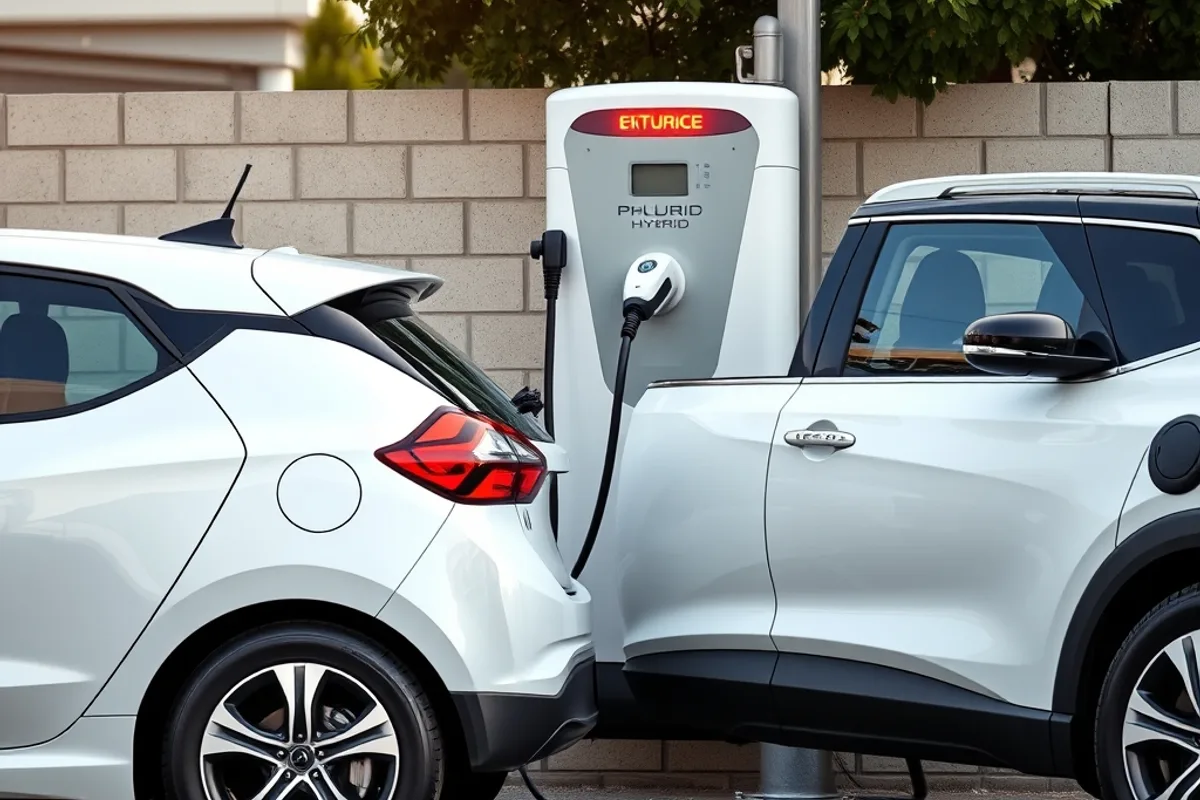
Hybrid and plug-in hybrid cars are often discussed as if they were two flavours of the same thing. They are not. A conventional hybrid captures energy from braking and uses an electric motor to assist the engine, while a plug-in hybrid adds a larger battery that you charge from the mains. That difference changes the purchase price, the fuel bill and the way you use the car every day.
The right choice depends less on the brochure than on your commute, your parking and your willingness to plug in. This guide compares both on the numbers that matter over five years.
How the two systems differ
A conventional hybrid, often called a self-charging hybrid, has a small battery that is topped up by the engine and regenerative braking. It cannot be plugged in. The electric motor helps at low speed and under acceleration, which is why hybrids excel in stop-start traffic. On a steady motorway cruise the engine does most of the work, and the efficiency advantage shrinks.
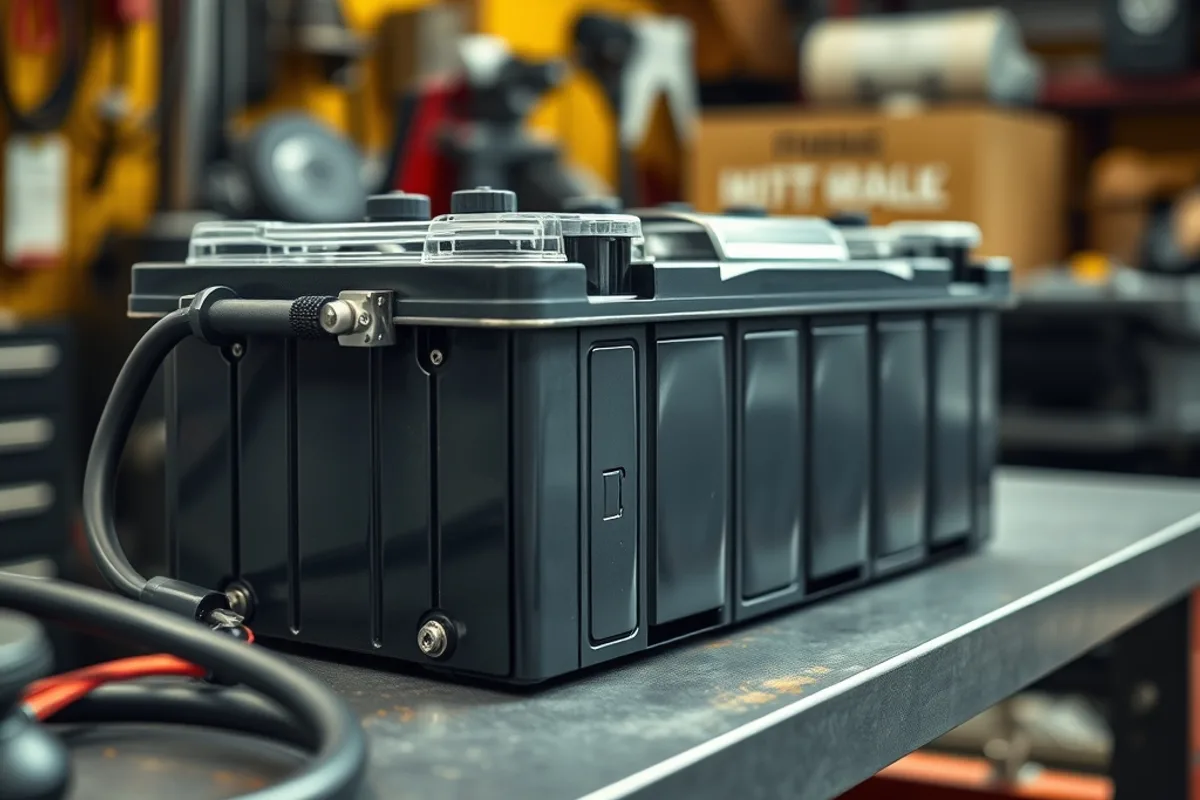
A plug-in hybrid has a much larger battery and a charging port. It can drive a useful distance on electricity alone, typically between forty and eighty kilometres in real conditions, then switches to hybrid operation. The official economy figure can look extraordinary because it assumes a full battery at the start of the test. If you never charge it, a plug-in hybrid can be thirstier than a conventional hybrid because it carries a heavy battery.
Fuel costs in the real world
For a driver with a home charger and a commute within the electric range, a plug-in hybrid can cover most weeks on cheap electricity. The petrol engine then matters mainly for longer trips. That is the best-case scenario, and it can deliver very low running costs. The calculation changes if you rely on public charging, which is often more expensive than charging at home.
A conventional hybrid is simpler. It needs no cable and returns its best economy in town. For a high-mileage motorway driver, a modern efficient petrol or diesel may be close, so compare the actual figures for your route. The FuelEconomy.gov hybrid data is a useful starting point, but adjust it for cold weather and your own driving style.
Purchase price and incentives
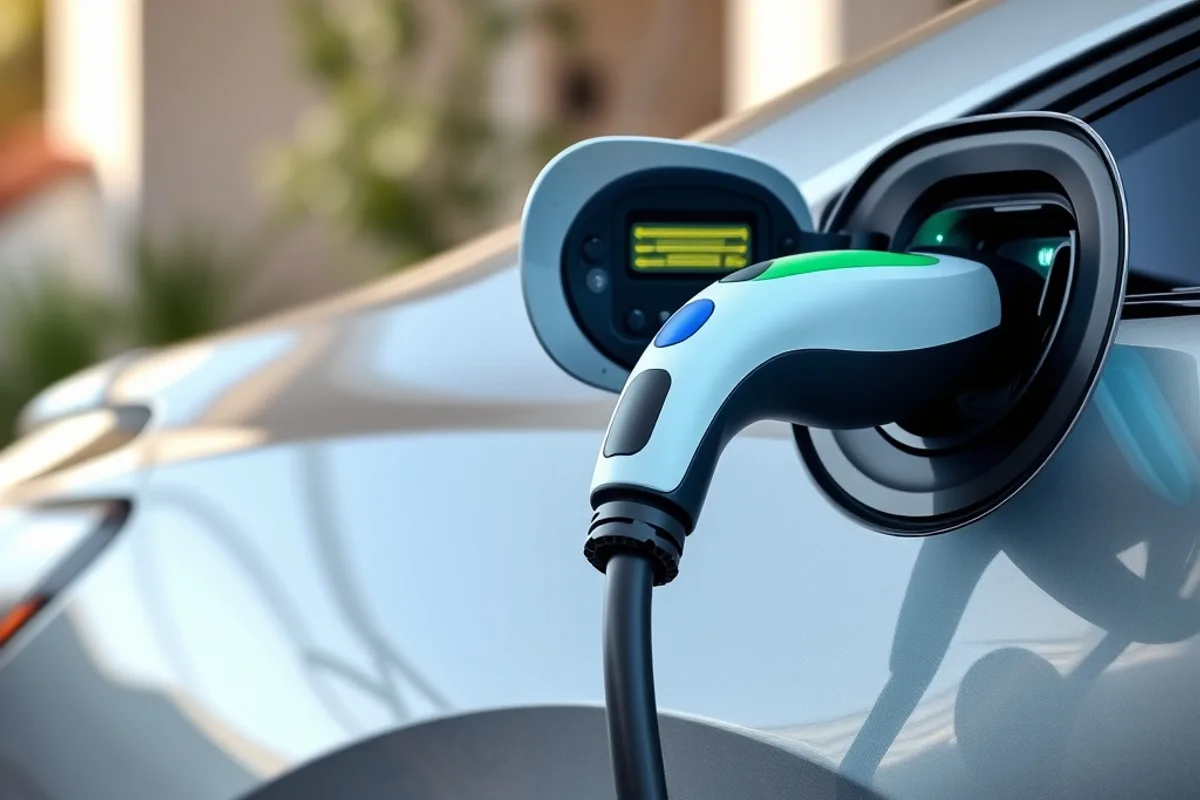
Plug-in hybrids usually cost more than equivalent conventional hybrids because of the larger battery and more complex electronics. Government incentives, company-car tax rules and local congestion charges can narrow or widen that gap, and the rules change often. Check the current position where you live before assuming a plug-in will be cheaper overall.
Insurance and servicing also differ. A plug-in may sit in a higher insurance group, and repairs to high-voltage components can be expensive once the warranty ends. On the other hand, lower fuel and tax costs can repay the premium over several years. Run the total cost, not just the monthly payment, and include the cost of installing a home charger if you do not already have one.
Convenience and charging reality
Charging is the dividing line. A home charger makes a plug-in hybrid genuinely useful, especially with off-peak electricity. Without one, you are relying on public points, workplace charging or a domestic socket, and the car's advantage shrinks. A conventional hybrid asks nothing of you beyond filling the tank, which is why it remains popular with drivers who cannot charge at home.
Battery size also affects practicality. Plug-in hybrids often lose some boot space to the battery, and the extra weight can blunt handling and tyre life. Check the boot with the seats up and folded, and make sure the charging cable has a sensible home. A cable that lives loose in the boot is a cable that gets used less often.

Which one suits your week?
Choose a conventional hybrid if you cannot charge at home, cover high motorway mileage, want the lowest complexity or are buying on a tighter budget. Choose a plug-in hybrid if you have reliable home charging, do mostly short trips, and want to run on electricity for the majority of your local driving. If your commute exceeds the electric range every day, a conventional hybrid or a full electric car may make more sense.
Business drivers should look closely at tax treatment, which can favour plug-ins even when the fuel maths is marginal. Families should check boot space and child-seat access. Enthusiasts should drive both, because the extra weight of a plug-in is noticeable on a twisty road even when the straight-line pace is strong.
The five-year answer
There is no universal winner. The conventional hybrid is the lower-risk choice for drivers without charging, while the plug-in hybrid can be the cheaper and quieter option for a charged, short-hop routine. Compare the purchase price, the real fuel cost for your commute, insurance, tax and resale. Then be honest about whether you will actually plug in. The best powertrain is the one that fits your habits, not the one with the largest official range figure.
A plug-in hybrid is an electric car for the first forty kilometres and a petrol car for everything after that.Emerson Lopze Editorial
We cross-check our advice against independent, official sources. For safety data see the National Highway Traffic Safety Administration, and for real-world economy figures see FuelEconomy.gov.