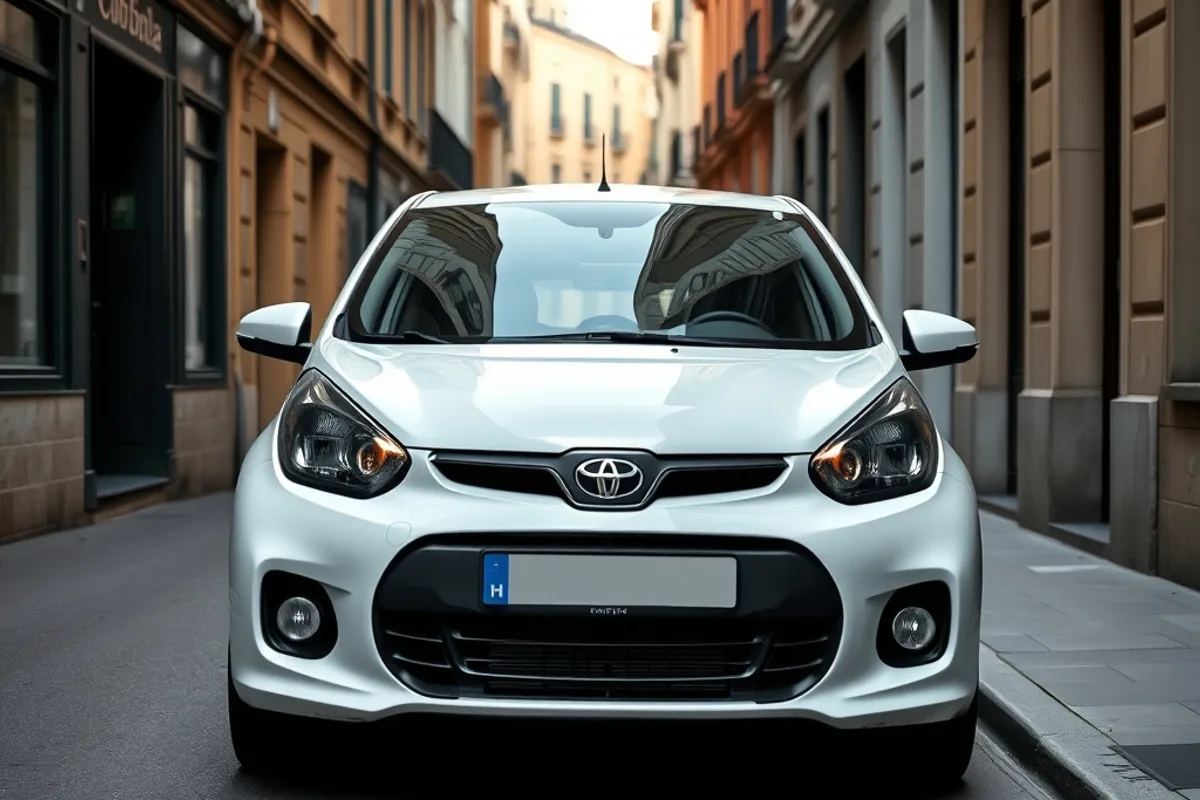
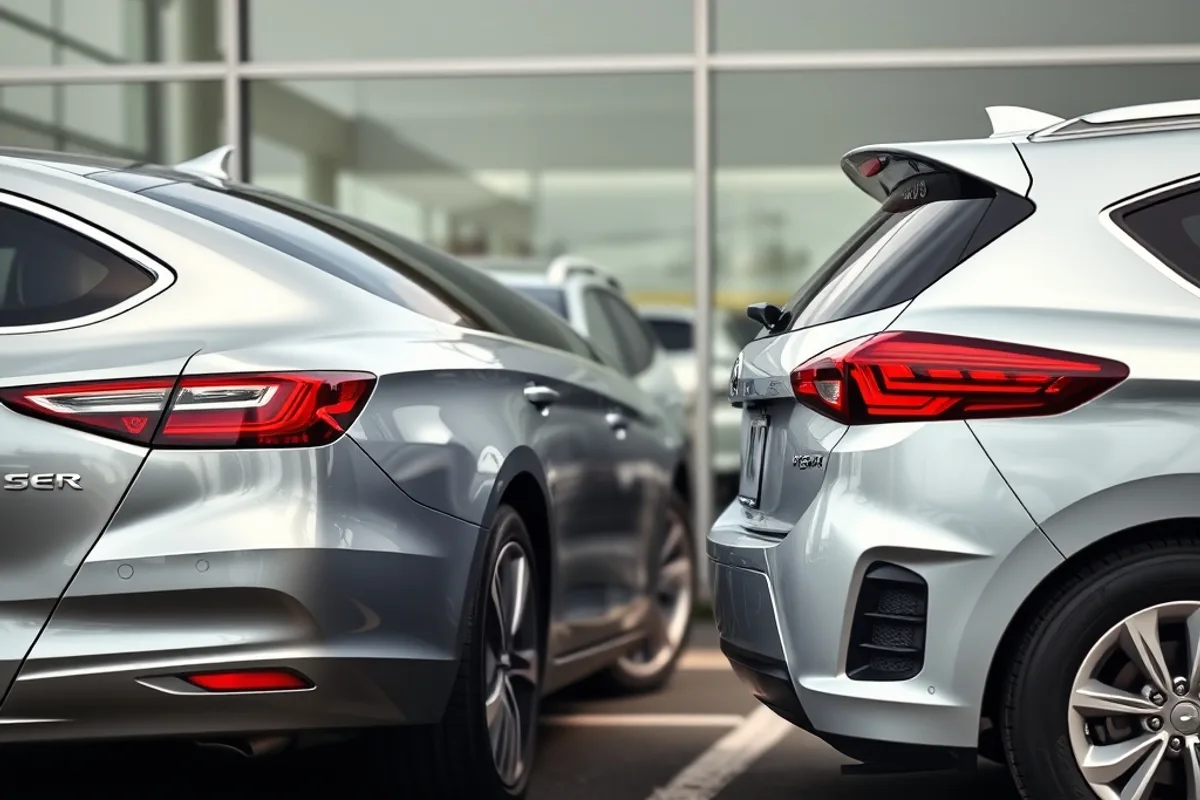
2026 Automotive Trends: Software, Screens and Safety
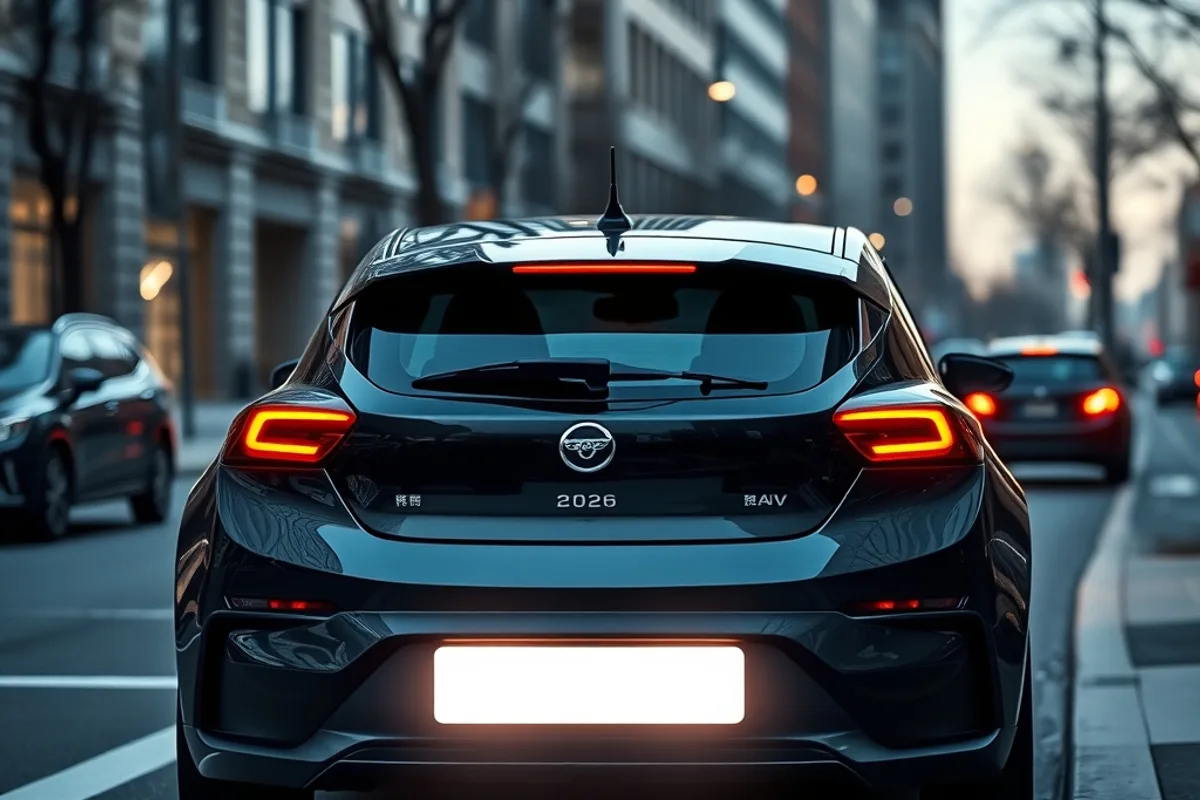
Every model year arrives with a list of buzzwords, and 2026 is no exception. What makes this year different is that several trends have moved from concept cars into ordinary showrooms. Software updates, calmer dashboards and more discreet safety systems are now decisions buyers actually live with. This guide separates the changes that improve daily ownership from the features that exist mainly for the brochure.
We looked at what manufacturers are shipping, what regulators are requiring and what owners are complaining about after six months. The pattern is clear: the industry is slowly admitting that more technology is not automatically better technology.
Software-defined cars become the norm
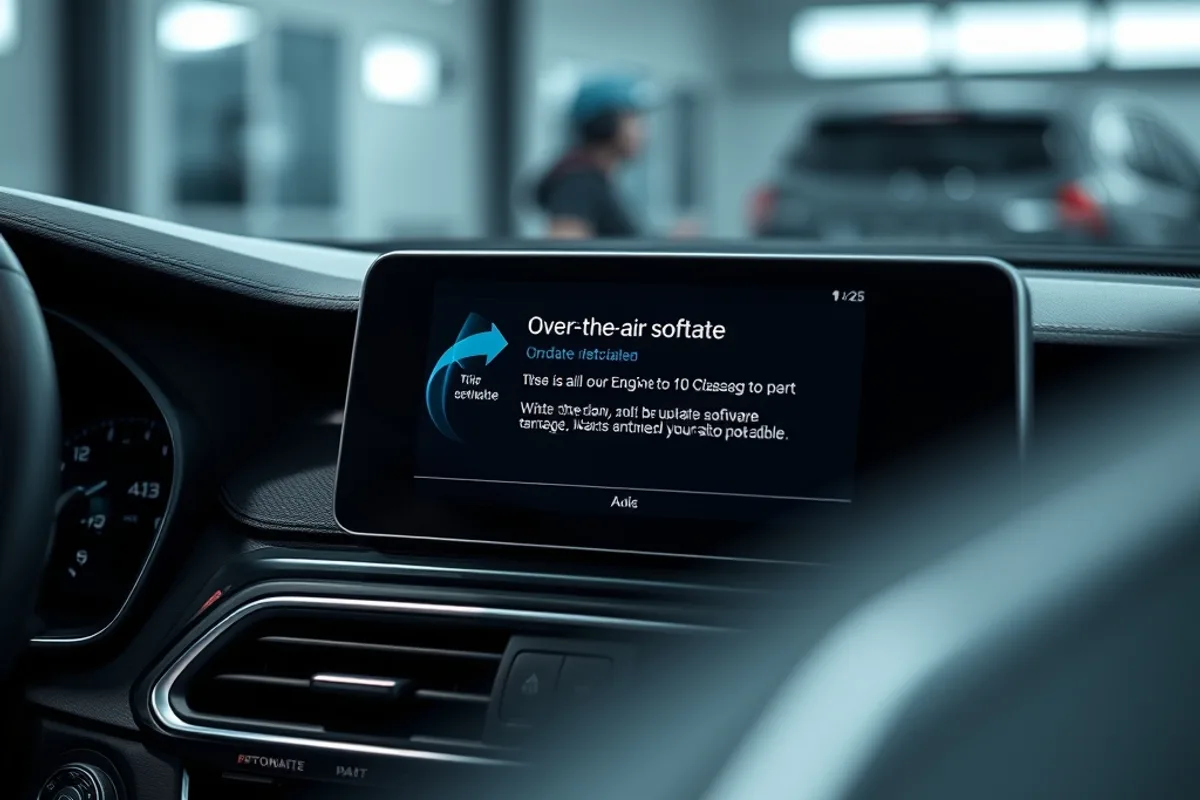
The most important change in 2026 is invisible. Cars are increasingly built around a central computer that can update systems over the air, from battery management to infotainment and driver assistance. Instead of waiting for a dealer visit, fixes and small features arrive wirelessly. Done well, this keeps a three-year-old car feeling current and can improve efficiency or safety after purchase.
Done badly, it creates a car whose behaviour changes without warning. The practical question for buyers is no longer just how fast the screen is, but how long the maker promises to support the hardware. Ask about the update policy in writing, including how many years of security patches you get and whether maps or connected services require a subscription after the free period ends.
Software also changes reliability. A car with one central computer can be simpler to diagnose, but a failed module can disable more functions at once. Extended warranties now need to be read with that in mind, and the National Highway Traffic Safety Administration publishes recall information that is worth checking by vehicle identification number before you buy any used model.
The touchscreen correction has started
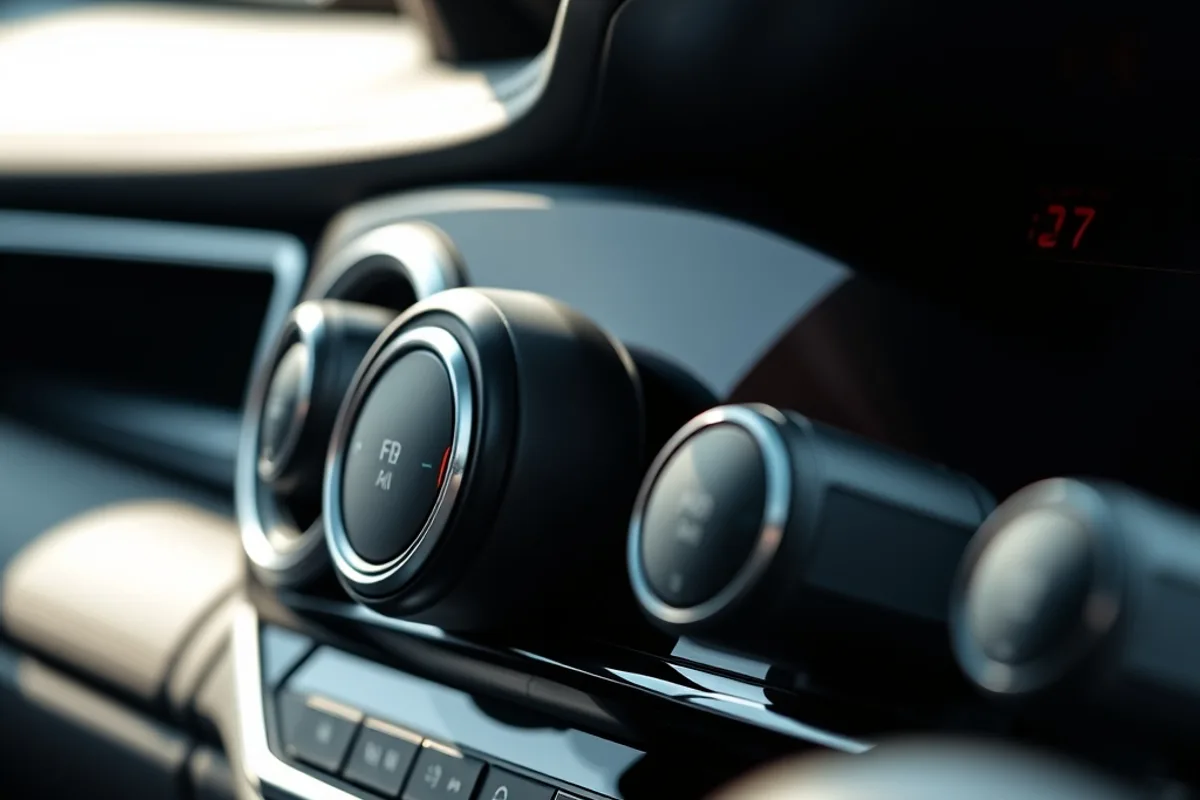
After years of moving every control into a glass panel, several makers have restored physical knobs for climate, volume and hazard lights. The reason is not nostalgia. Owners found that menus are slower than a dial, and safety researchers have long argued that eyes-off-road time matters more than screen size. In 2026 the best interiors combine a clean display with real buttons for the things you touch while moving.
When you test drive, operate the climate and audio controls without looking. If that takes more than a second or two, the cabin will annoy you for years. Look for a volume knob, a physical defrost button and steering-wheel controls that are readable by touch rather than by sight.
Screen quality still matters, but for different reasons. A bright, matte-finished display resists fingerprints and glare, while a glossy panel turns into a mirror in afternoon sun. Wireless phone mirroring is now common, yet a car that depends on it for navigation can feel dated when a phone changes size or a cable fails.
Driver assistance gets quieter and smarter
Advanced driver assistance is no longer a luxury extra. Automatic emergency braking, lane keeping and adaptive cruise are standard on most new cars sold in major markets. The 2026 improvement is calibration. Early systems beeped at shadows and tugged the wheel at painted road repairs. Newer systems intervene less often and more naturally, which makes them easier to leave switched on.
That does not mean they are equal. Some brands still allow the driver to adjust sensitivity, while others hide the setting three menus deep. During a test drive, take the car onto a normal road with faded markings and see how the lane system behaves. A good system should feel like a quiet assistant, not a nervous passenger. Remember that these features assist rather than replace attention, and local rules on their use vary.
Electrification without the hype
Battery electric vehicles continue to improve, but 2026 is also the year of the pragmatic powertrain. Hybrids, plug-in hybrids and efficient mild hybrids are being positioned as sensible bridges for drivers without home charging. The marketing language can be confusing, so focus on three numbers: usable electric range, real-world efficiency and charging speed.
For city drivers with a garage, a plug-in hybrid can cover most trips on electricity and still handle a long holiday without planning. For high-mileage motorway drivers, a conventional hybrid often costs less overall. Battery chemistry and software have improved, yet cold weather still reduces range in every electric car. Treat the official figure as a best case and ask owners in your climate what they actually see.
What to ignore in the showroom
Not every trend deserves your money. Giant wheels look dramatic but cost more to replace and often ride worse. Gesture control sounds futuristic until you try to change the volume with a wave. Subscription fees for hardware already fitted to the car remain a poor deal for most buyers, especially when they lock features behind a monthly payment.
Be equally sceptical of range figures quoted without a test cycle, of "autonomous" language that describes a level-two assistance system, and of connected services that stop working when the free trial ends. A practical checklist beats a long feature list: does the car fit your parking space, does it take the fuel or charge you can actually access, and does the warranty cover the expensive parts?
Depreciation is the other quiet trend. Fast software cycles can make older hardware feel obsolete, so residual values are increasingly tied to support length rather than horsepower. If you finance a car for five years, check that the maker will still update it in year five.
The bottom line for 2026 buyers
The best trends of 2026 are boring in the right way: updates that fix problems, controls that work by feel, and safety systems that stay quiet until needed. The flashiest features are rarely the ones that make a car better to own. Test the basics, ask about support, and choose the powertrain that matches your real week rather than the one in the advertisement.
The best 2026 cars are not the ones with the biggest screen. They are the ones that stay useful after the novelty fades.Emerson Lopze Editorial
We cross-check our advice against independent, official sources. For safety data see the National Highway Traffic Safety Administration, and for real-world economy figures see FuelEconomy.gov.